
Best Decodable Books for Early Readers: A Guide for Parents and Teachers
Decodable books are a fantastic part of early reading education, resembling building blocks that create a strong foundation for literacy. These charming little books are specifically crafted to help children practice the essential skill of decoding—sounding out words based on their phonics knowledge—in contexts that truly matter. Unlike regular children’s books that can overwhelm new readers with complex vocabulary, decodable texts keep things simple and focused. They limit the word choices to align with phonics patterns, which is like giving young readers a map to navigate the world of words confidently!
This guide is designed to be your go-to resource for choosing the best decodable books for early readers. Whether you’re a dedicated parent hunting for engaging reading material to support your little one’s learning journey at home or a passionate teacher building a dynamic classroom library, you’re in the right place!

What Are Decodable Books and Why Are They Essential?
So, what exactly are decodable books? These delightful texts are created with controlled vocabulary that closely matches specific phonics rules and patterns. For instance, a decodable book for beginners might focus solely on consonant-vowel-consonant (CVC) words, such as "cat," "dog," and "bed." Over time, it introduces more complex patterns like blends (think "bl" in "black") and digraphs (like "sh" in "ship").
Decodable books are essential tools in early literacy because they provide systematic phonics practice, offering structured and progressive engagement with phonics skills. Each new book is designed to build on previously mastered concepts, reinforcing both confidence and mastery for young readers. This empowerment comes from the simple realization that, by holding a book, they can read it themselves, which fuels their motivation to explore further.
High-quality decodable books also feature engaging illustrations and relatable stories that keep children interested. These elements make learning enjoyable while maintaining a strong focus on skill-building.
Best Decodable Books for Early Readers
Now that we understand their importance, let’s dive into some of the best decodable books for children, thoughtfully categorized by reading level and individual needs. Each of these selections has something special to offer, making reading a delightful adventure!
1. Beginner Readers (Kindergarten to Early First Grade)
Introducing young readers to the world of books is a crucial step in their literacy journey.
Bob Books (by Bobby Lynn Maslen): These charming books are a beloved choice among parents and teachers alike for their simplicity and focus on early phonics. Featuring minimal text and delightful illustrations, Bob Books gradually introduce CVC words and build up to more complex sentences—perfect for those first steps into reading.
Usborne Phonics Readers (by Phil Roxbee Cox): This vibrant series combines whimsical illustrations with playful rhyming texts. Each book hones in on specific phonics sounds, such as short vowels or simple blends, making them a delightful choice for beginners eager to start their reading journey.
Alphaprints Phonics Readers: Designed specifically for younger children, these tactile books engage little hands and minds through multisensory learning. With textured illustrations and repetitively phrased stories, they are particularly appealing for both pre-readers and early readers.
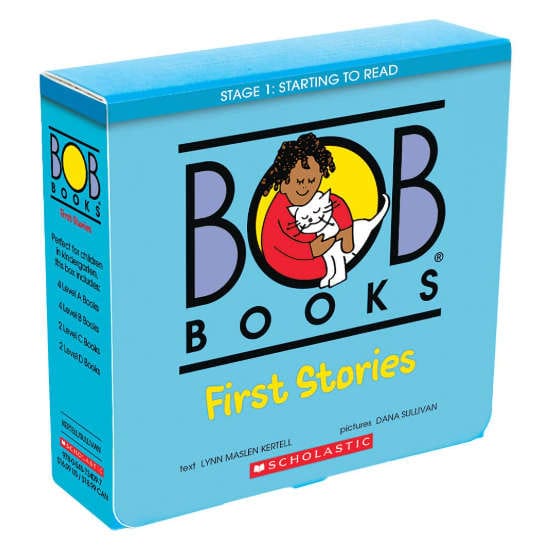
Tip for Beginner Readers: Create a cozy reading corner at home, filled with colorful cushions and soft lighting. Encourage your child to pick a book, and take turns reading together. This not only makes reading fun but also strengthens their confidence!
Unlock the Joy of Reading with Our Early Learning Kids Activity Bundle!

Looking for engaging ways to make reading fun and interactive for your child? Our Kids Activity Bundle is packed with creative exercises, colorful worksheets, and exciting games tailored to build strong reading skills.
Looking for engaging ways to make reading fun and interactive for your child? Our Kids Activity Bundle is packed with creative exercises, colorful worksheets, and exciting games tailored to build strong reading skills.
2. Developing Readers (Mid to Late First Grade)
As children gain confidence, it’s time to introduce books that challenge their growing skills.
Flyleaf Publishing Decodable Books: Known for their meaningful stories and systematic phonics progression, these books serve as excellent tools for children transitioning from basic CVC words to more advanced phonics patterns, like long vowels and digraphs. They offer engaging storylines that keep kids captivated.
Read Write Inc. Phonics Books (by Ruth Miskin): A staple in countless classrooms, these books provide structured lessons paired with captivating stories that emphasize specific phonics patterns. They are an outstanding pick for developing readers ready to advance their skills.
Phonics Comics: With their fun comic-book style, these stories grab the attention of reluctant readers effortlessly. Each book incorporates decodable text in an engaging format that makes reading feel less daunting and more like an adventure!
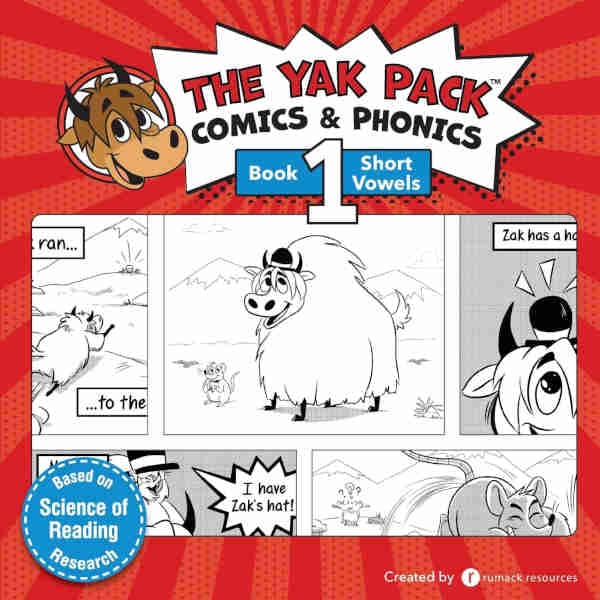
Tip for Developing Readers: Encourage your child to create their own comic strip after reading a Phonics Comic. This activity builds comprehension skills and allows them to express their creativity while reinforcing what they learned from the story!
3. Struggling or Reluctant Readers (First to Second Grade)
Finding the right materials is key to supporting older readers who may need additional phonics assistance.
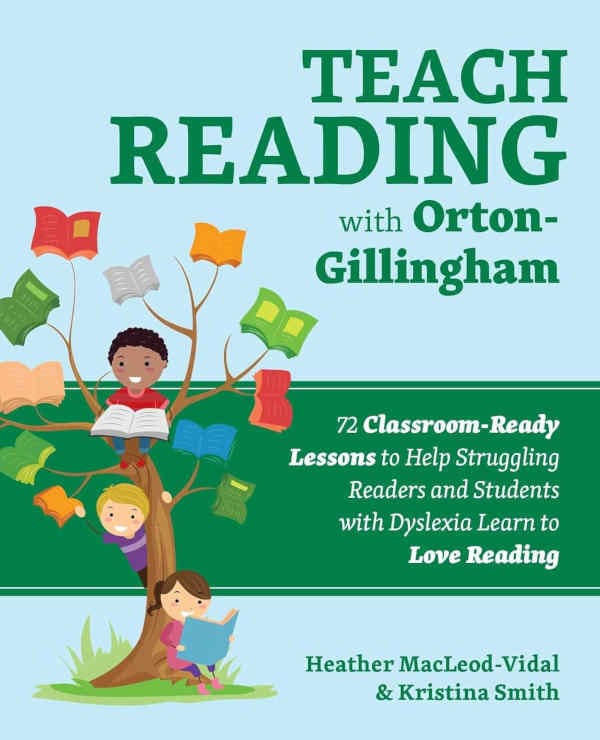
Phonic Books Totem and Moon Dogs Series: These series are explicitly designed for older readers who require phonics support while still being interested in age-appropriate themes and illustrations. They tackle complex patterns like multisyllabic words and advanced blends, ensuring that every reader feels included and engaged.
Heggerty Bridge the Gap: This intervention series zeroes in on phonemic awareness and offers decodable texts tailored specifically to struggling readers. It’s an ideal approach for filling gaps in foundational literacy skills, making reading accessible for all.
Tip for Developing Readers: Encourage your child to create their own comic strip after reading a Phonics Comic. This activity builds comprehension skills and allows them to express their creativity while reinforcing what they learned from the story!
4. Digital and Interactive Decodable Books
Digital books offer an engaging way for children to explore reading while also providing helpful tools for learning..
Reading Eggs: This incredible online platform is home to a library of interactive decodable books that come paired with games and exercises. The adaptive learning technology ensures kids are always challenged at just the right level, making learning feel like play.
Epic Phonics Books: Epic offers a wide array of phonics-based texts in a delightful digital format, complete with colorful illustrations. This resource is fantastic for children who enjoy the convenience of reading on tablets or e-readers, bringing stories alive through technology.
Tip for Digital Readers: While digital books are valuable, it's important to balance screen time with traditional reading. Set limits on device use and encourage children to alternate between interactive books and physical books to promote a well-rounded reading experience!
How to Choose the Best Decodable Books for Your Child
Choosing the right decodable books can make a big difference in your child’s learning experience. Here are some friendly tips to guide you in making the best choices:
Match Phonics Skills: Select books that align with your child’s current phonics knowledge. If they’re learning CVC words, avoid books with complex patterns.
Progression in Difficulty: Look for series that build gradually, allowing children to advance without becoming overwhelmed.
Engaging Content: Books with vibrant illustrations, relatable themes, and simple, fun stories will keep your child interested.
Consider Age Appropriateness: Older struggling readers need books with mature themes and illustrations to avoid feeling “babyish.”
Multisensory Options: Tactile or interactive books can help children who learn best through hands-on activities.
Tips for Using Decodable Books Effectively
Integrating decodable books into your child’s routine can transform their reading journey into a magical experience. Here are some fabulous tips for getting the most out of those special books:
Daily Practice: Set aside time each day for reading. Even 10-15 minutes can make a significant difference over time and create a comforting routine.
Focus on Patterns: As your child reads, highlight specific phonics patterns. For example, you might point out all the words featuring the short “a” sound. This technique can help reinforce their learning in a fun way!
Encourage Rereading: Repetition is a powerful learning tool. By encouraging your child to reread their favorite stories, they can reinforce their learning and enhance fluency.
Pair Reading With Writing: Help your child write out words from the book after reading. This practice strengthens their understanding of sound-letter connections, making reading more meaningful.
Celebrate Success: Always take a moment to praise your child for their efforts, no matter how small! Recognizing when they master a new sound, or finish a book instills confidence and enthusiasm for continued learning.

Frequently Asked Questions About Decodable Books
To maximize the benefits of phonics games, consider these practical tips to create a rewarding learning experience:
Where Can I Get Free Decodable Books?
If you are seeking cost-effective resources, there are several free options available for decodable books that can supplement your child's reading journey.
Reading Rockets: Offers a list of free printable decodable books. These books are simple and great for practice, though they may lack the engaging illustrations found in commercial options.
The Measured Mom: Provides a collection of free decodable books. These resources are excellent for supplementing your child’s reading.
Starfall: Features free online decodable books. Their interactive format is great for tech-savvy children but may not replace the tactile experience of physical books.
Limitations of Free Resources: Free books often have simpler designs and may not align perfectly with your child’s specific phonics curriculum. However, they’re a great starting point for additional practice.
When Should My Child Transition to Regular Books?
Once your child gains confidence in decoding and begins reading fluently, it’s time to start incorporating regular books into their reading routine. This transition typically happens by late first or early second grade, and you’ll notice them growing more eager to explore different stories!
How Many Decodable Books Should a Child Read?
Aim for consistent practice! Reading 2-3 decodable books each week can help reinforce phonics skills while keeping the experience fresh and exciting. The key is to maintain variety while ensuring practice.
Conclusion
Decodable books are truly a powerful tool in early literacy, acting as stepping stones that pave a structured and confidence-boosting path to reading success. By choosing high-quality books that align with your child’s phonics knowledge and making them a regular part of your daily routine, you can foster a genuine love of reading that will last a lifetime.
Explore our recommended titles, celebrate every little progress, and enjoy this journey of reading together! Each new book opened is a new adventure waiting to unfold—happy reading!
Copyright © Early Reader Hub 2026
All Rights Reserved
Copyright © Early Reader Hub 2025 All Rights Reserved