
How Can Phonics Games Help Build Vocabulary Skills in Children?
Building vocabulary is an essential milestone in a child’s journey to becoming a confident reader and writer, and phonics games make this process both effective and enjoyable. Imagine your child learning through play—these games transform phonics lessons into exciting adventures! They help kids effortlessly connect sounds to words while having a blast. Best of all, there's a treasure trove of games out there, each offering its own unique way to engage and inspire young learners.
In this post, we’ll explore why phonics games are so impactful, introduce some must-try options that will spark your child’s interest, and share actionable tips for parents and educators to make the most of these activities. Ready to embark on this delightful learning journey? Let’s dive in!
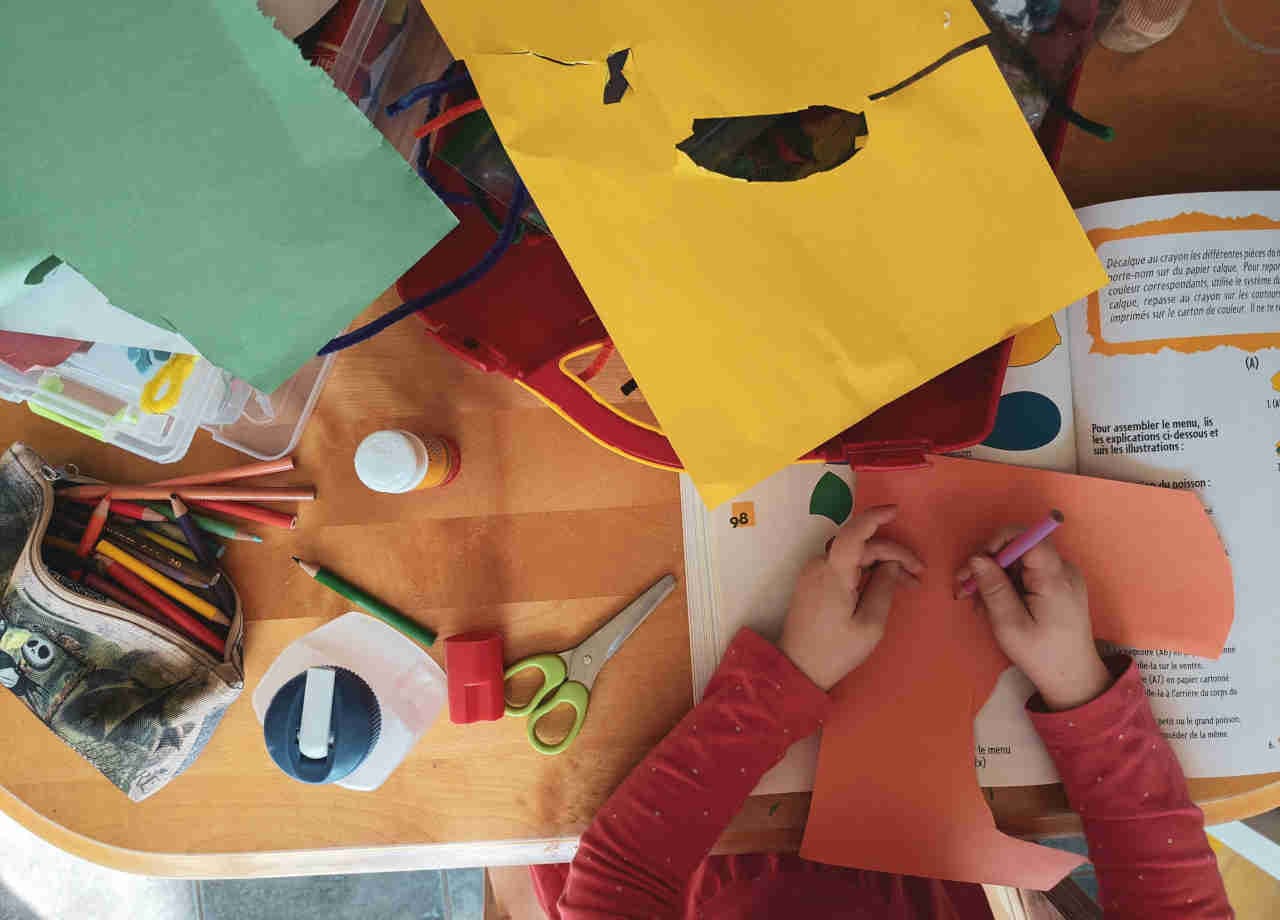
How Do Phonics Games Build Vocabulary?
One of the most important ways these phonics games benefit children is by focusing on key skills that contribute to vocabulary building. Phonics games focus on teaching sound-letter relationships and blending sounds into words, which contributes significantly to vocabulary growth. Here’s how they help children develop a broader vocabulary:
1.Repetition and Practice: Games encourage repeated exposure to sounds and words, helping children retain what they’ve learned. This is especially important because many kids need to hear and practice new concepts multiple times before they feel comfortable using them independently.
2.Blending Skills: Many phonics games teach children how to blend individual sounds into complete words. Playing games that reinforce this skill makes it easier for kids to decode unfamiliar words when they encounter them in their reading materials.
3.Contextual Learning: Games often use pictures and scenarios to help children associate words with meanings. This contextual approach not only makes learning more engaging but also helps children understand how words function in sentences and conversations.
When children play phonics games, they’re not just memorizing—they’re internalizing patterns that will serve as a foundation for lifelong literacy.
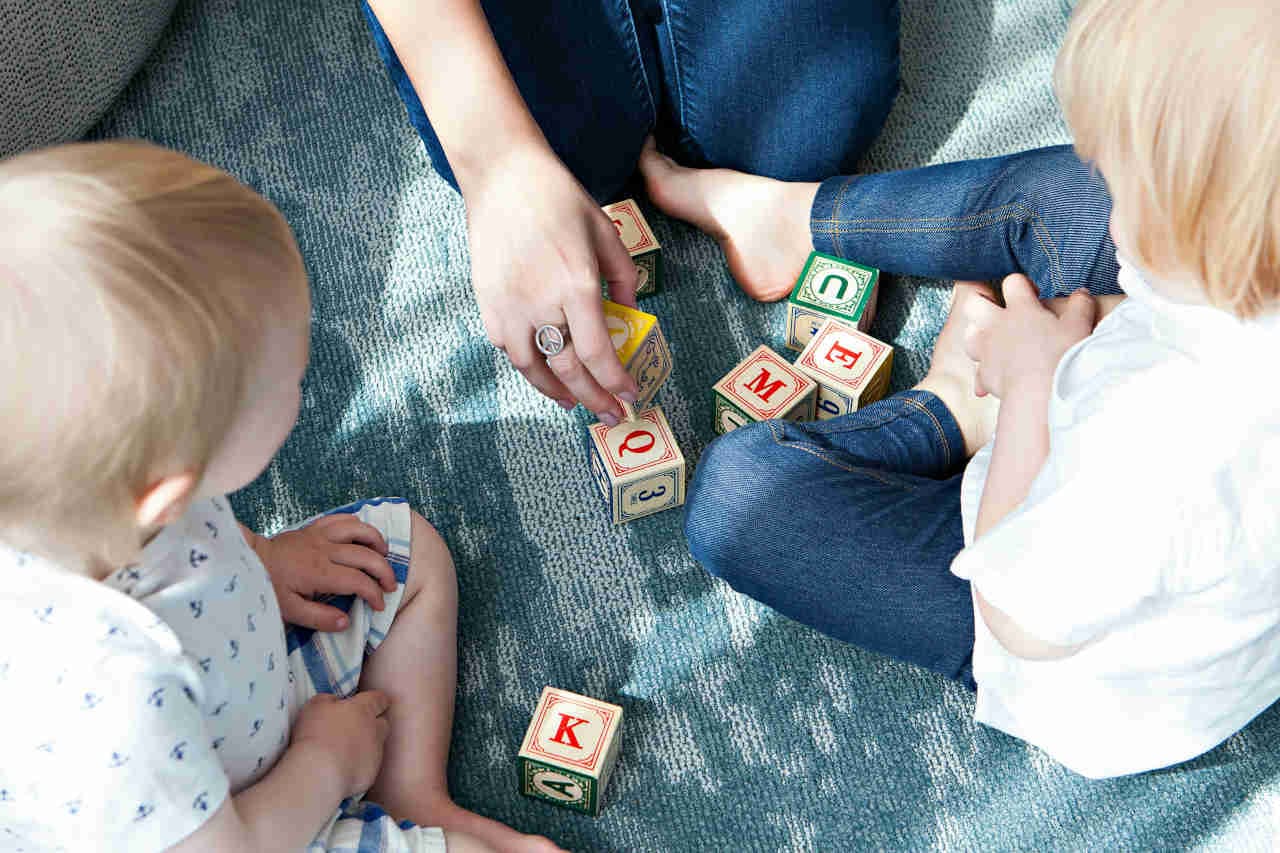
Which Games Are Best for Early Readers?
Choosing the right phonics games can create an exciting learning experience for children transitioning from preschool to kindergarten and on to 1st and 2nd grades. Fun and hands-on activities are essential for captivating young minds and encouraging their exploration of reading and writing.
Here are some engaging games designed for early readers:
Alphabet Flashcards: Match letters with their corresponding sounds to build basic phonics skills. You can turn this into a fun competitive game by timing how quickly children can match letters to sounds or create sentences using the words they form with the cards.
Phonics Memory Match: Use cards with pictures and letters to help children pair sounds with visuals. This game enhances memory and encourages kids to think about the connections between sounds and their meanings.
These simple activities introduce early readers to the world of phonics in a fun and interactive way. Additionally, you can personalize these games by incorporating your child’s favorite themes, such as animals or sports, which may further boost their engagement and enthusiasm.
Unlock the Joy of Reading with Our Early Learning Kids Activity Bundle!

Looking for engaging ways to make reading fun and interactive for your child? Our Kids Activity Bundle is packed with creative exercises, colorful worksheets, and exciting games tailored to build strong reading skills.
Looking for engaging ways to make reading fun and interactive for your child? Our Kids Activity Bundle is packed with creative exercises, colorful worksheets, and exciting games tailored to build strong reading skills.
What Are Some Fun Word-Building Games?
As children transition from preschool to kindergarten and advance into 1st, 2nd, and 3rd grades, word-building games become exciting avenues for exploration. These activities stir creativity and provide a hands-on approach to understanding language.
Here are some enjoyable word-building games to consider:
Letter Tile Challenges: Provide children with letter tiles to create as many words as they can in a set time. This not only stimulates their creativity but also reinforces spelling and phonics knowledge.
Word Ladders: Start with a simple word and change one letter at a time to form new words, such as "cat" to "bat" to "bit." This game enhances critical thinking and phonics skills simultaneously.
These creative activities make learning active and allow children to see how sounds and letters work together. Consider adding a personal touch by allowing children to choose a theme for the words they are creating, such as food or favorite characters, to spark their interest even further.
How to Include Group Games in Phonics Learning?
Engaging children in group activities can enhance their learning experience as they progress through their early educational journey. Group phonics games not only foster a sense of community but also make learning a collective joy.
Consider incorporating these group activities:
Phonics Bingo: Create bingo cards with sounds or words and have children mark them off as you call them out. This game works well in classroom settings, as it encourages participation and collaboration among peers.
Word Scavenger Hunts: Hide words around a room and let kids search for them, practicing pronunciation as they find each one. To make this even more interactive, you could include clues that lead them to each word, fostering teamwork and communication skills.
Group games encourage collaboration and friendly competition, adding another layer of excitement to learning. They also give children the chance to learn from one another, reinforcing vocabulary in a social environment where kids feel safe to express themselves.

How to Use Phonics Games Effectively
To maximize the benefits of phonics games, consider these practical tips to create a rewarding learning experience:
1. Be Consistent
Regular practice is key. Try to incorporate games into daily or weekly learning routines, allowing children to look forward to their phonics time. Consistency also helps reinforce the skills they are building.
2. Adapt to Skill Level
Choose games that match the child’s reading level and adjust as they progress. As children become more comfortable with phonics, you can gradually introduce more challenging games to maintain their interest and growth.
3. Keep It Fun:
Celebrate successes and avoid making games feel like tests. The goal is to make learning enjoyable and stress-free, encouraging children to explore and try new things without the fear of failure.
With these strategies, phonics games can become a powerful tool in your teaching toolkit. By maintaining a light-hearted atmosphere and ensuring that children enjoy what they’re learning, you will foster an environment where vocabulary skills can thrive.
What Materials Do I Need for Phonics Games?
Getting started with phonics games doesn’t require expensive materials! As children delve into literacy through preschool and early elementary grades, using simple items can foster creativity and joy in learning.
Flashcards with letters or sounds: These can be homemade or purchased, and they provide excellent resources for a variety of games.
Printable word cards: You can find many free resources online to create custom word cards tailored to your child's interests.
Letter tiles or magnetic letters: These can be used for various word-building activities, allowing for hands-on learning.
Educational apps focused on phonics: Many apps offer interactive games that can complement traditional methods of teaching.
These affordable resources can provide endless opportunities for creative learning. You can also involve your child in the process of making these materials, adding an extra layer of engagement and ownership to their learning.
Additional Learning Resources
To further enhance your child's vocabulary development and phonics skills, consider integrating a variety of learning resources that complement the phonics games you’re already using. Here are some valuable options to explore:
Books: Engaging storybooks that feature rhyming texts or repetitive phrases can introduce children to new vocabulary in a fun and memorable way. Look for books that encourage phonics practice through patterns and sounds, such as Dr. Seuss titles or other early readers.
Audio Resources: Listening to audiobooks or phonics songs can reinforce sound-letter relationships while keeping your child entertained. Many platforms offer free storytime sessions that promote vocabulary through narration and sound play.
Educational Videos: Platforms like YouTube feature numerous educational channels that create engaging phonics content, including animated phonics songs, character-driven learning, and interactive phonics lessons. These videos can be both fun and informative, making phonics come alive for young learners.
Mobile Apps: There are several phonics-focused apps available that provide interactive games, quizzes, and challenges tailored for various learning levels. These are great for reinforcing phonics skills while on the go!
By incorporating these diverse resources, you can create a multifaceted learning environment that supports your child's literacy development.
Conclusion: The Power of Phonics Games for Vocabulary Growth
Phonics games are a fantastic way to build vocabulary while making learning fun and engaging. By incorporating games like Bingo, Word Ladders, and Scavenger Hunts into your teaching routine, you can create a dynamic learning environment that supports children’s growth as readers. These interactive and enjoyable methods not only enhance vocabulary but also foster a love for reading.
Whether you’re a parent, teacher, or tutor, these strategies will help your young learners thrive. Embrace the power of phonics games, and watch vocabulary skills soar as children discover the joy of language!
Copyright © Early Reader Hub 2026
All Rights Reserved
Copyright © Early Reader Hub 2025 All Rights Reserved