
10 Common Mistakes When Teaching CVC Words (And How to Avoid Them)
Teaching CVC (Consonant-Vowel-Consonant) words is a foundational step in early literacy. These simple, three-letter words, such as cat, dog, and bat, help children understand the basic mechanics of phonics and decoding. However, even the most well-meaning teachers and parents can make mistakes that may hinder a child's progress.
This article identifies ten common pitfalls in teaching CVC words and provides actionable strategies to overcome them. Whether you're a parent, teacher, or caregiver, these insights can help you foster better learning outcomes.

What Are CVC Words and Why Are They Important?
CVC words are simple three-letter words composed of a Consonant-Vowel-Consonant structure, such as cat, dog, or sun. These words are foundational in early literacy because they introduce phonics—understanding how letters correspond to sounds.
Renowned reading expert Marilyn Jager Adams emphasizes the importance of phonics-based instruction for developing decoding skills, which are crucial for recognizing and pronouncing words accurately (source). By mastering CVC words, children build confidence in their reading ability, enabling a smoother transition to more complex language and sentence structures.
10 Common Mistakes in Teaching CVC Words
1. Overloading Children with Too Many Words at Once
Many educators and parents introduce long lists of CVC words, hoping to accelerate learning. However, this can overwhelm children and reduce retention.
Solution :
Start with a small, manageable group of words. Introduce 3-5 words at a time, focusing on thematic groups such as animals (cat, dog, pig) or objects (bat, hat, cup). Repetition and gradual expansion ensure better retention.
Game Idea: "Word of the Day Adventure"
Pick one CVC word for the day and build all activities around it. For example, if the word is "cat," encourage kids to draw a picture of a cat, identify "cat" in a story, and create sentences with it. This keeps focus and avoids overwhelming them.
2. Skipping the Blending Process
Blending—the process of combining individual letter sounds to form a word—is essential for phonics. Skipping this step can leave children struggling to decode words.
Solution:
Teach blending explicitly. Use a hands-on approach where children tap each letter sound (e.g., /c/ - /a/ - /t/) and then blend them together to say "cat." Tools like blending boards or phonics apps can reinforce this process.
Game Idea:"Sound Slide"
Write CVC words on paper strips. Have children physically slide their fingers under each letter as they say the sounds (e.g., /c/ - /a/ - /t/) and then blend the sounds together to say the word. This hands-on approach reinforces blending.
3. Using Overly Complex or Confusing Examples
Introducing CVC words with uncommon sounds or irregular spelling patterns can confuse beginners.
Solution:
Stick to simple, phonetically regular words initially. Examples like bat, mat, and sun are ideal for beginners. Avoid words with silent letters or complex phonemes until basic skills are established.
Game Idea:"Silly Word Sort"
Provide a mix of CVC and non-CVC words (e.g., "bat," "dog," "tree," "plane"). Ask children to sort them into “real” and “silly” word categories. This helps them identify simple, clear words for practice.
4. Neglecting Multisensory Learning
Teaching CVC words with only worksheets or flashcards can be monotonous and less engaging.
Solution:
Incorporate multisensory activities, such as:
Hands-on games: Use alphabet blocks to build words.
Tactile activities: Write CVC words in sand or shaving cream.
Auditory reinforcement: Play rhyming games or phonics songs.
Game Idea:"Sound Detective"
Play an audio recording of CVC words, emphasizing each phoneme, and have children identify the word by blending the sounds. For example, play: /b/ - /a/ - /t/, and they guess "bat."
5. Focusing Solely on Visual Learning
While visual aids like flashcards are helpful, relying exclusively on them can exclude auditory or kinesthetic learners.
Solution:
Combine visual, auditory, and kinesthetic teaching methods. For example, show a flashcard (dog), say the word aloud, and have the child trace the letters with their finger.
Game Idea:"Interactive Word Bingo"
Create a bingo card with CVC words, and call out words for children to mark on their cards. For extra engagement, they can spell or say the word aloud to earn a mark.
6. Ignoring the Importance of Rhyming
Rhyming helps children recognize patterns and predict words, yet it’s often overlooked.
Solution:
Introduce rhyming games and activities. For instance, ask children to generate rhyming words for cat (bat, hat, sat) to strengthen phonemic awareness.
Game Idea:"CVC Hopscotch"
Draw a hopscotch grid and write one letter of a CVC word in each square. Kids jump to each square, say the sound, and blend the word at the end.
7. Introducing Advanced Words Too Soon
Moving on to blends (e.g., slip, frog) or digraphs (ship, thin) before mastering CVC words can overwhelm learners.
Solution:
Ensure children are confident with CVC words before progressing. Use assessments or observation to gauge readiness.
Game Idea:"Word Jar Surprise"
Keep a jar filled with CVC words learned in the past. Each day, pick one at random and do a quick review activity with it, like creating a sentence or finding it in a story.
8. Overemphasizing Speed Over Accuracy
Encouraging children to read quickly can lead to skipped sounds or guessing.
Solution:
Prioritize accuracy over speed. Praise children for sounding out each letter and blending them correctly, even if it takes time.
Game Idea:"CVC Word Puzzle"
Use letter tiles or magnetic letters and challenge kids to build their own CVC words from a given list.
9. Neglecting Practice and Review
Teaching new words without revisiting old ones can result in forgotten skills.
Solution:
Incorporate regular review sessions. Use fun activities like word bingo or scavenger hunts to reinforce previously learned words.
Game Idea:"Spin and Spell"
Create a spinning wheel with CVC word components (e.g., consonants on one wheel, vowels on another). Spin the wheels and have children combine the letters to make and spell a CVC word.
10. Not Providing Contextual Practice
Focusing solely on isolated words can make learning feel disconnected from real-life reading.
Solution:
Integrate CVC words into sentences and stories. For example:
"The cat sat on the mat."
Use printable worksheets that combine decoding and sentence-building exercises.
Game Idea:"Story Builder"
Read a simple story and ask children to identify all the CVC words in it. They can write them down or highlight them in the text.
Tools and Resources for Effective CVC Word Practice
Engaging activities make cvc word practice enjoyable and effective. Printable worksheets are available for download. Click on each worksheet image below, then right-click and select "Save Image As" to download. Print and start practicing!
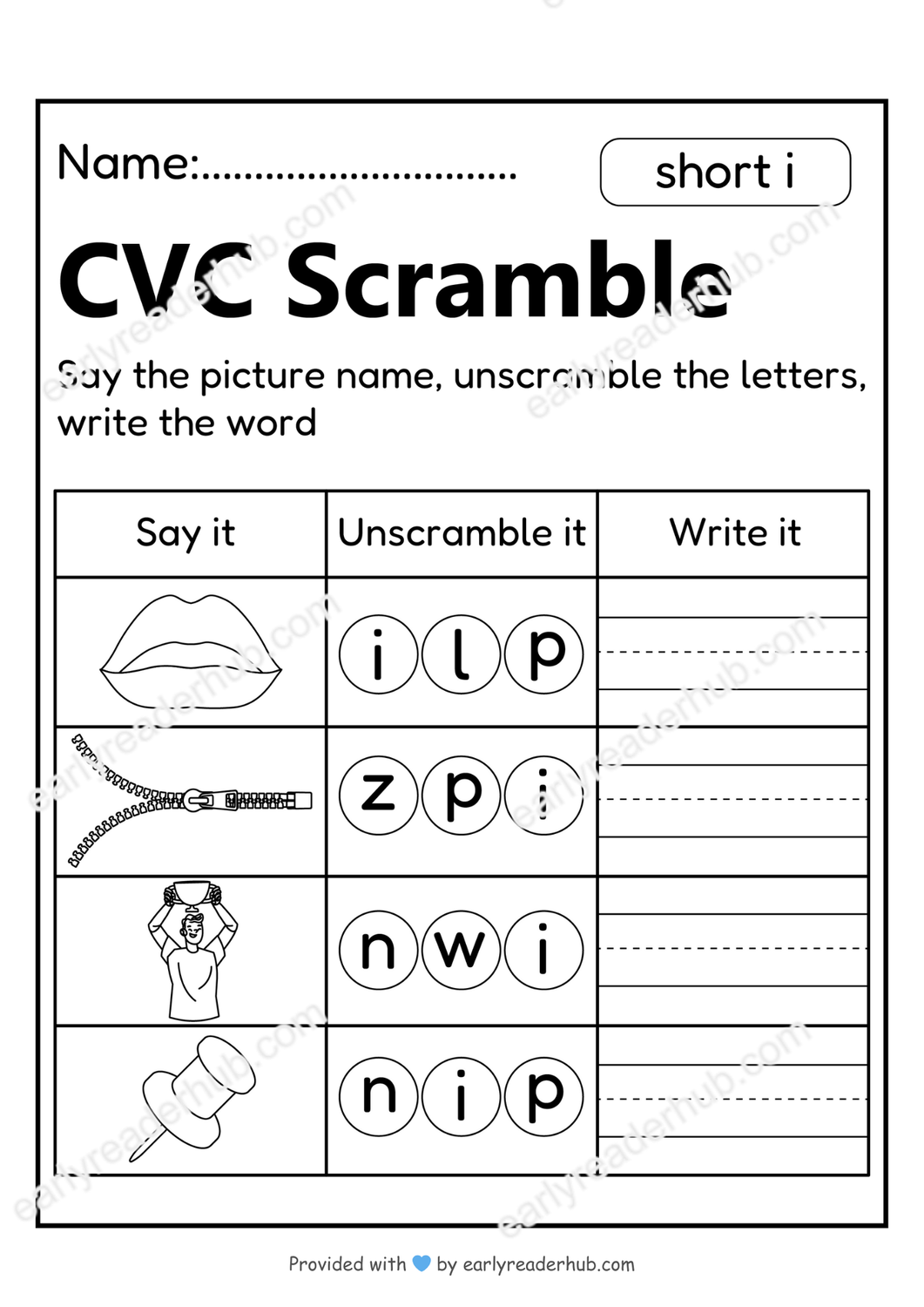
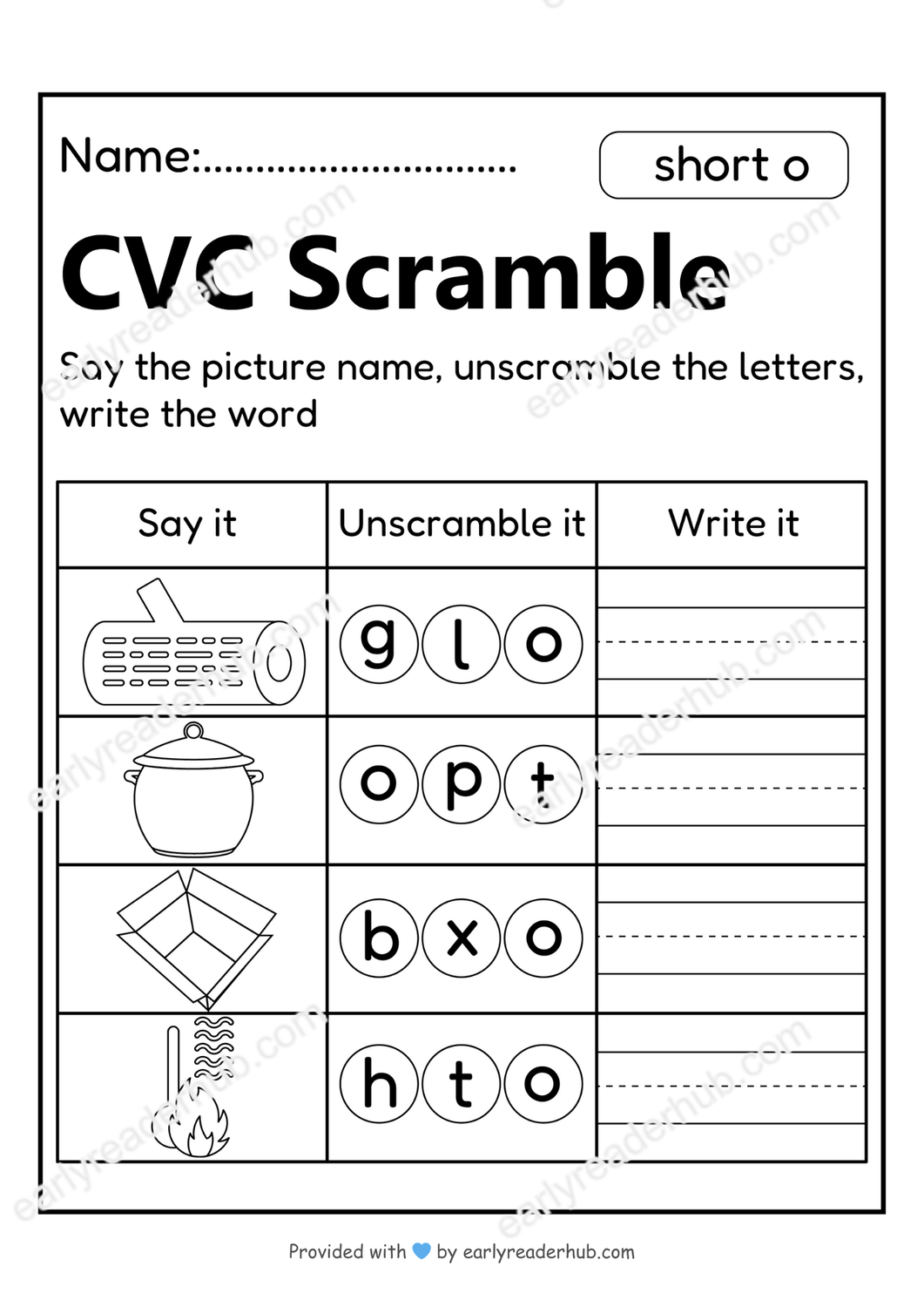
1. Unscramble the CVC Words
A fun activity where children rearrange scrambled CVC words with the help of illustrations.
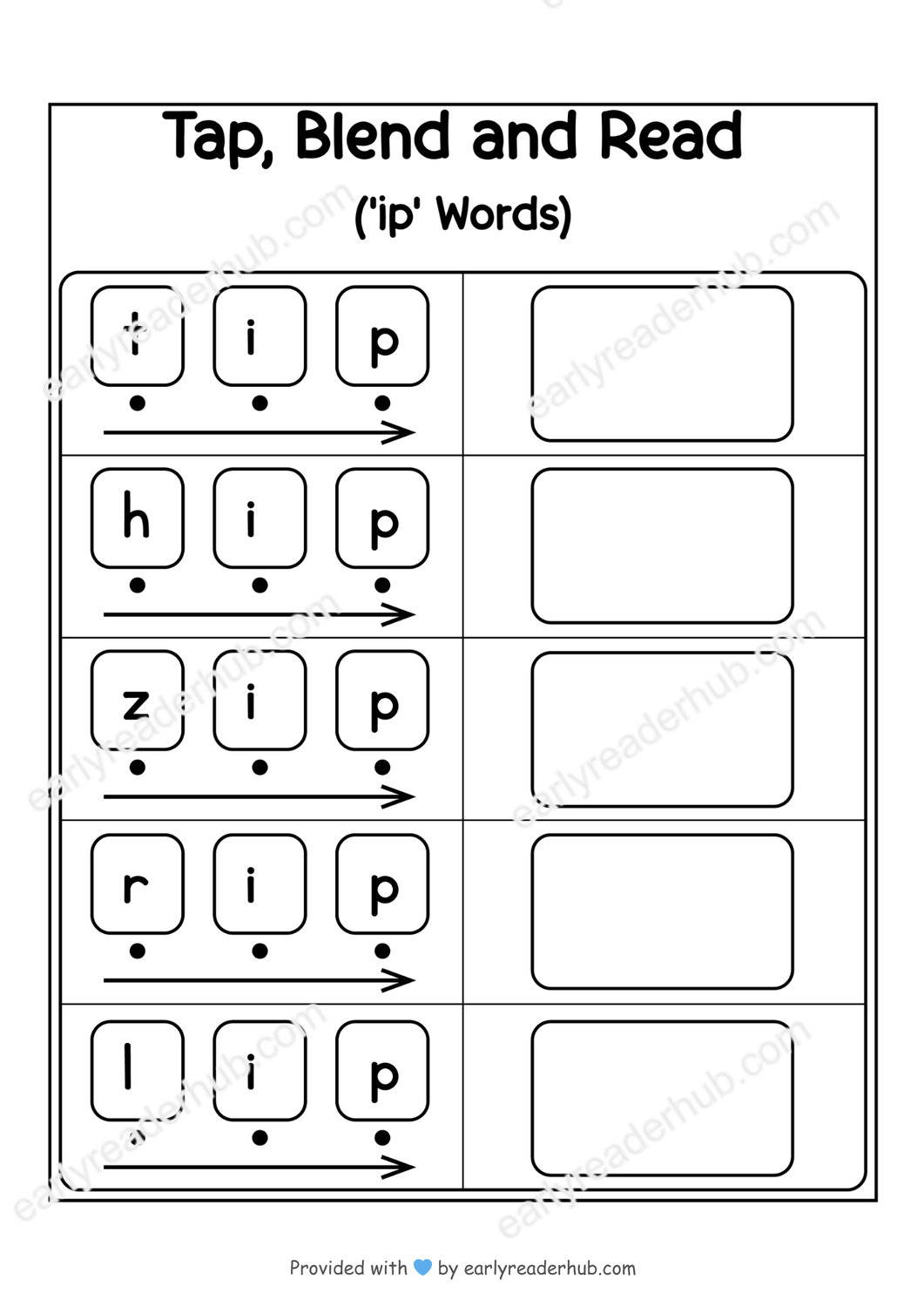
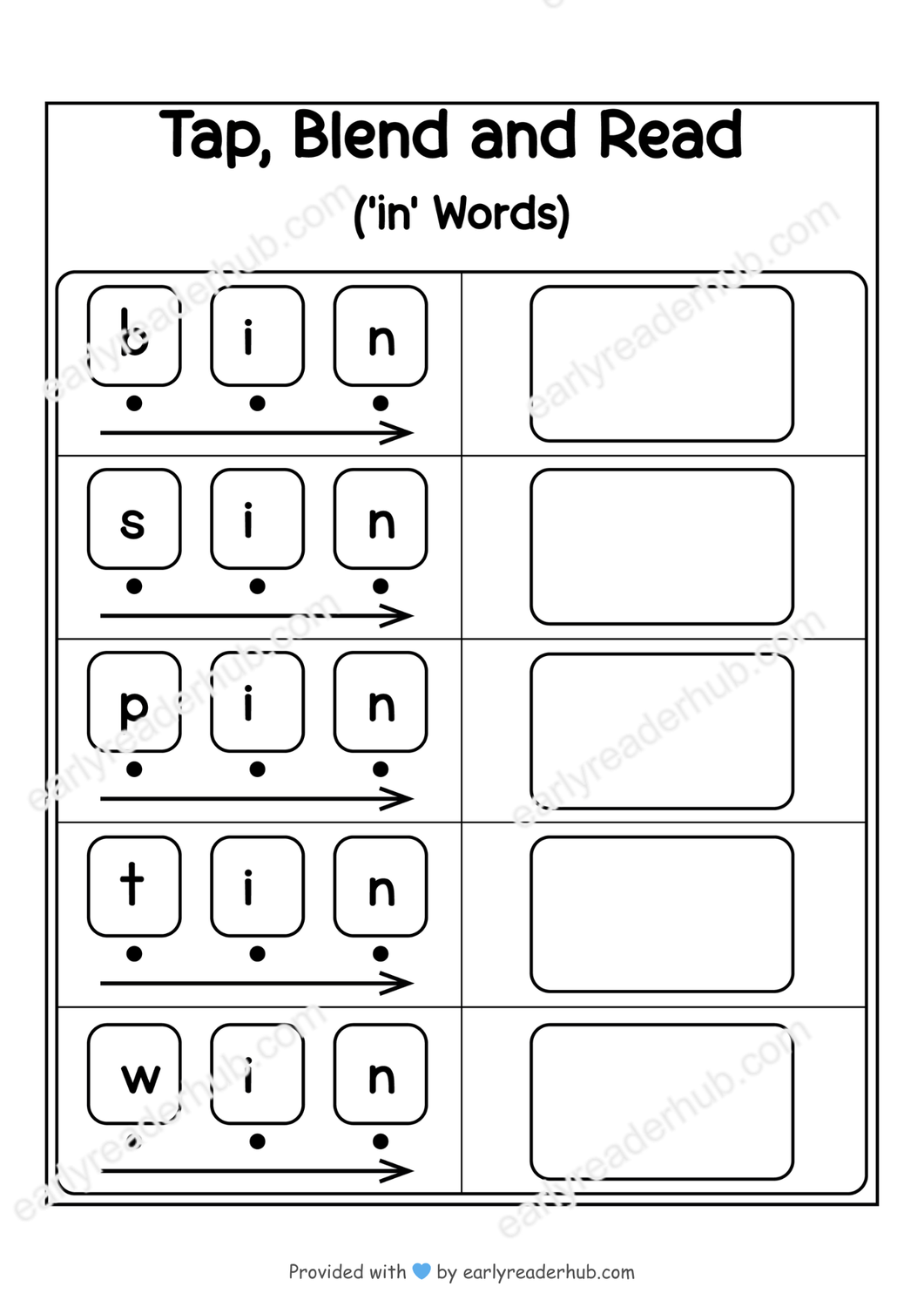
2. Tap, Blend, and Read
Encourage children to tap each letter, blend the sounds, and read the resulting word.
How to Enhance Learning with Our Early Learning Bundle
Looking for more structured resources? Our Early Learning Bundle includes over 1,000 printable activities for reading, writing, and more. From phonics sheets and sight word games to tracing activities and coloring pages, this bundle is perfect for young learners.
Key Features:
Engaging worksheets and games.
Ready-to-print format.
Activities for a variety of learning styles.
Click here to explore more and unlock endless learning opportunities!
Conclusion
Teaching CVC words can be a rewarding experience when approached with the right strategies. By avoiding common mistakes and incorporating engaging, multisensory activities, parents and educators can ensure children build a strong foundation in reading.
Remember, learning to read is a journey, not a race. Support and patience go a long way in helping children succeed. Start with small steps, and soon, they’ll be reading with confidence and joy!
Set Your Child Up for Success
Our Early Learning Kids Activity Bundle is a must-have for parents and educators. With activities tailored for CVC words, sight words, and more, it’s your go-to resource for building literacy skills and making learning fun. Click Here to Learn More!
Copyright © Early Reader Hub 2026
All Rights Reserved
Copyright © Early Reader Hub 2025 All Rights Reserved