
How to Teach Sight Words by Age and Grade
Learning to read is one of the most important milestones in a child’s development, and sight words play a critical role in building early literacy skills. Sight words, often called high-frequency words, are the foundation of fluent reading because they appear frequently in text and are often not easily sounded out. Teaching sight words effectively requires a strategy tailored to a child's developmental stage, which is why understanding how to approach this by age and grade can make all the difference.
In this guide, we'll share age-appropriate strategies, grade-specific word lists, and fun activities to help your child master these important words. Whether you're a parent of a kindergartener or a teacher with third graders, you'll find practical tips to support your child's reading journey.
Let’s explore how to teach sight words and help your child read with confidence!
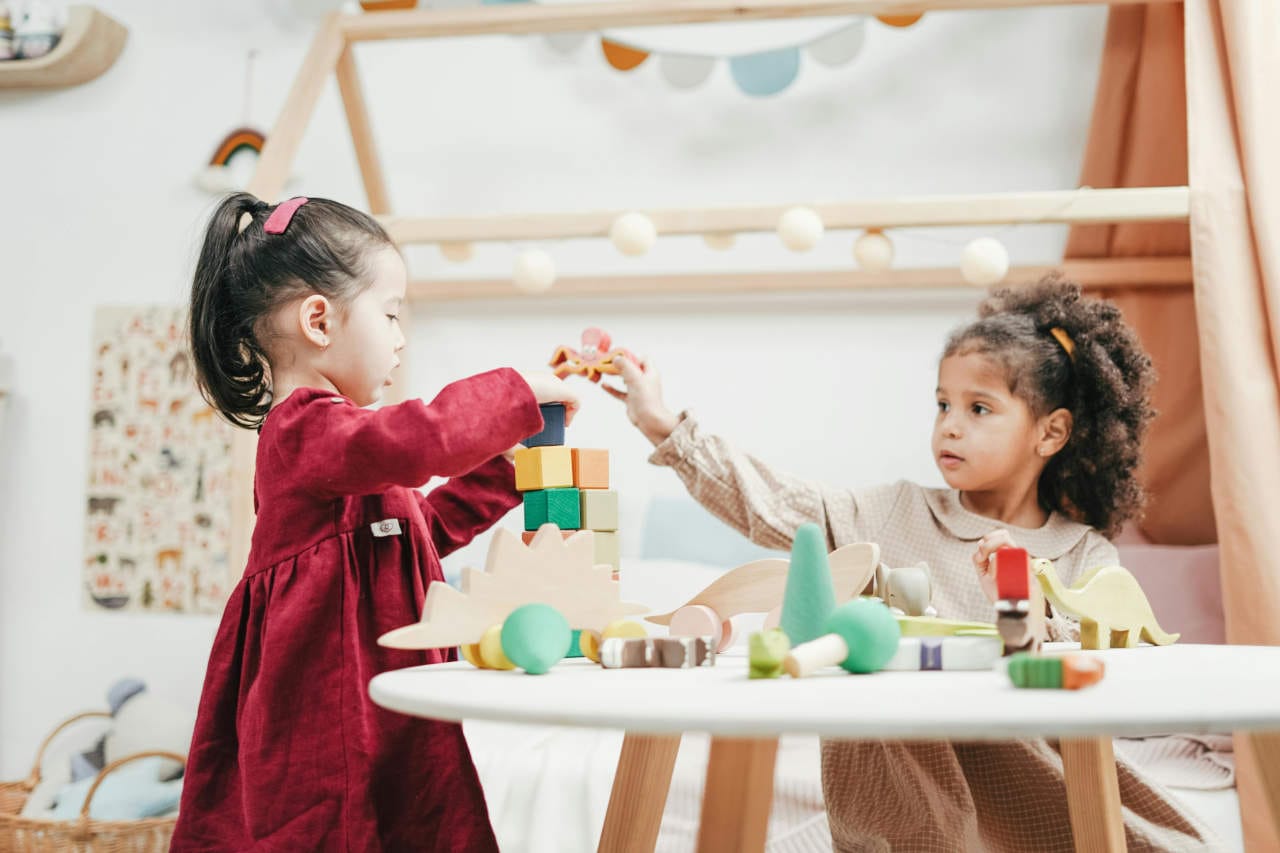
What Are Sight Words and Why Are They Important ?
Sight words, also known as high-frequency words, are common words that children encounter frequently in texts but may not follow conventional phonetic rules (e.g., "the," "said," "of"). These words are critical in early literacy development because recognizing them instantly helps children read more fluently and with greater comprehension. Instead of spending time decoding these words, young readers can focus on understanding the overall meaning of the text.
Teaching sight words is about more than memorization—it equips children with the tools to navigate language confidently. As these words often form the backbone of most written sentences, a strong grasp of sight words significantly enhances reading speed, accuracy, and fluency.
Teaching Sight Words: An Age-Appropriate Approach
Children develop reading skills at different rates, and breaking sight word instruction into age-appropriate stages ensures that teaching methods and expectations align with their developmental abilities. Introducing sight words gradually—50 words at a time or in similar manageable increments—helps avoid overwhelming young learners while ensuring steady progress. This step-by-step approach allows for consistent reinforcement, practice, and mastery at each stage.
Recommandation :
Dr. Timothy Shanahan, a leading literacy researcher and expert, recommends spending just five minutes a day on sight word practice to keep learning manageable and enjoyable. This brief daily session is often enough for first graders to master the 100 most frequent sight words and for second graders to tackle the 300 most common ones. By dedicating a small amount of time each day, you can ensure steady progress without overwhelming your child. (Source)
Next, let’s explore examples of common sight words your child should learn by grade!
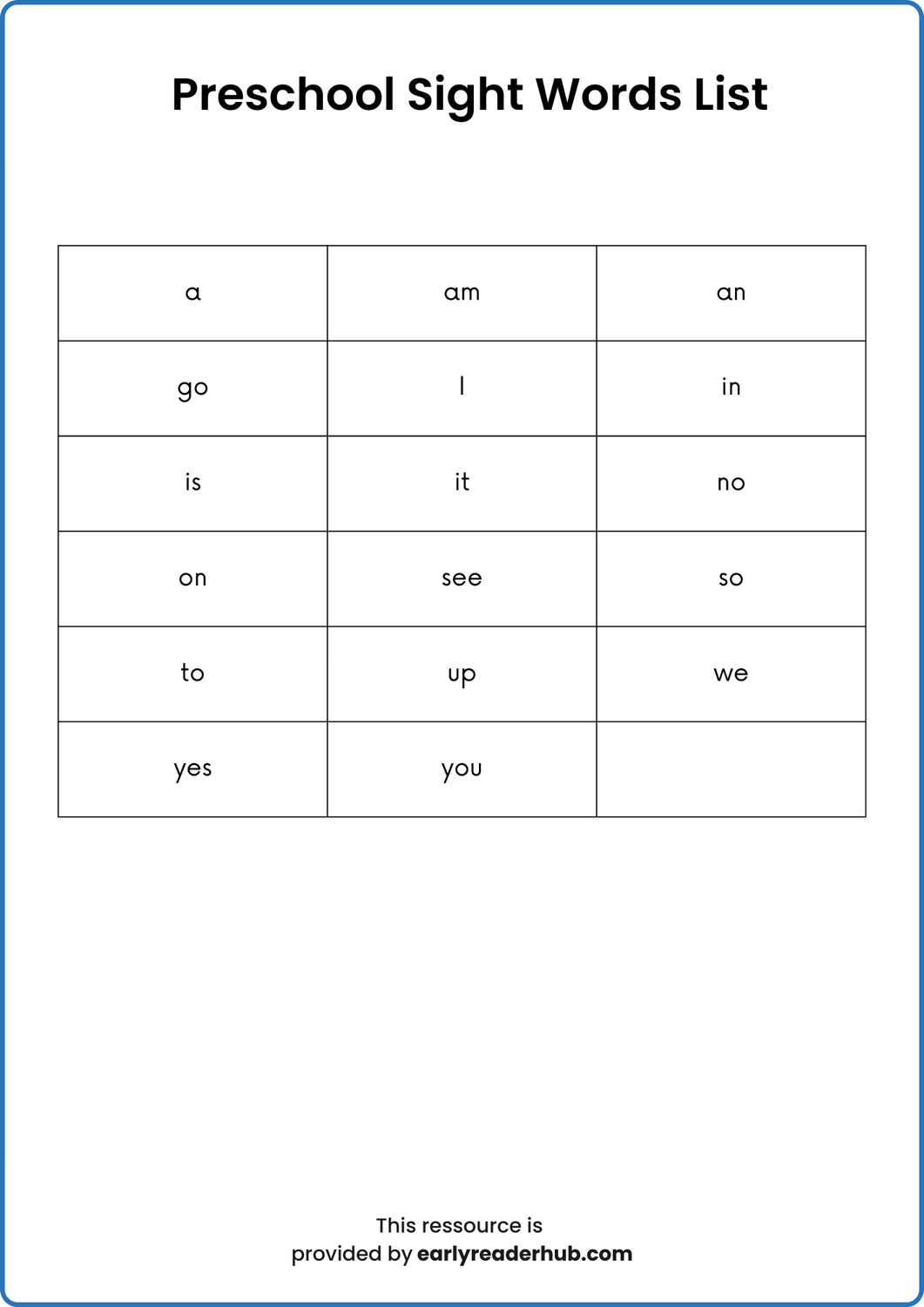
Preschool (Ages 3-4) : Laying the Foundation
Preschool is an exciting time when children begin their first steps toward recognizing and reading sight words. At this stage, teaching focuses on introducing simple and familiar words that spark curiosity and excitement for learning. Words like I, go, see, and me are ideal for young learners, as they are both common and relatable.
Creating a playful and engaging environment is key. Preschoolers thrive on activities that let them explore through play. Use colorful flashcards, sing-along songs, and interactive games to introduce sight words. Picture books are another fantastic tool—pointing to words as you read together helps children make connections between spoken and written language. Hands-on activities like tracing letters in sand or forming them with playdough make learning tactile and fun, keeping children engaged as they begin to build their vocabulary. The emphasis should be on repetition and play, making learning a joyful experience.
Below you'll find a list of common preschool sight words that you can begin teaching. We encourage you to save it or print it for later use.
Kindergarten (Ages 5–6): Building Vocabulary
Kindergarten is a period of rapid growth, where children transition to more structured learning. By now, they’re ready for slightly more complex words such as the, and, can, and like. These words form the building blocks of many simple sentences, enabling young learners to string words together and build confidence in their reading abilities.
At this age, children benefit from consistent practice. Incorporate sight words into daily routines: label objects around the house, play matching games, or create simple puzzles using sight words. Reading short stories or rhymes featuring these words repeatedly helps reinforce their recognition. Additionally, blending sight words with phonics instruction provides a well-rounded approach, helping children understand the relationship between letters and sounds while memorizing essential vocabulary.
Here is a list of 50 sight words for kindergarten that you can start with :
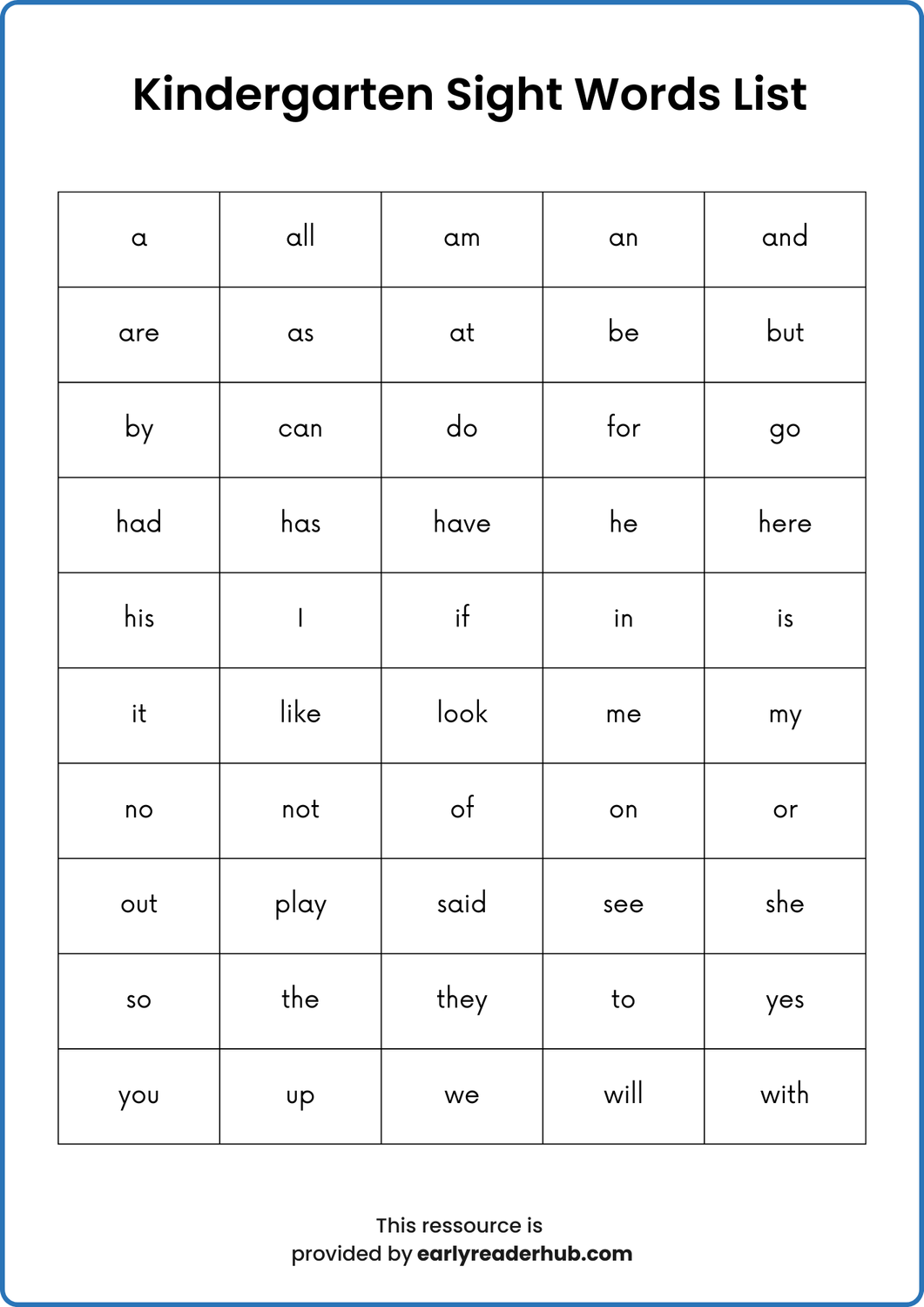
Note: Some sight words for kindergarten may also appear in the preschool list. This repetition is intentional, as these foundational words are essential for early reading and are reinforced to ensure mastery before introducing more complex vocabulary.
First Grade (Ages 6–7): Enhancing Fluency
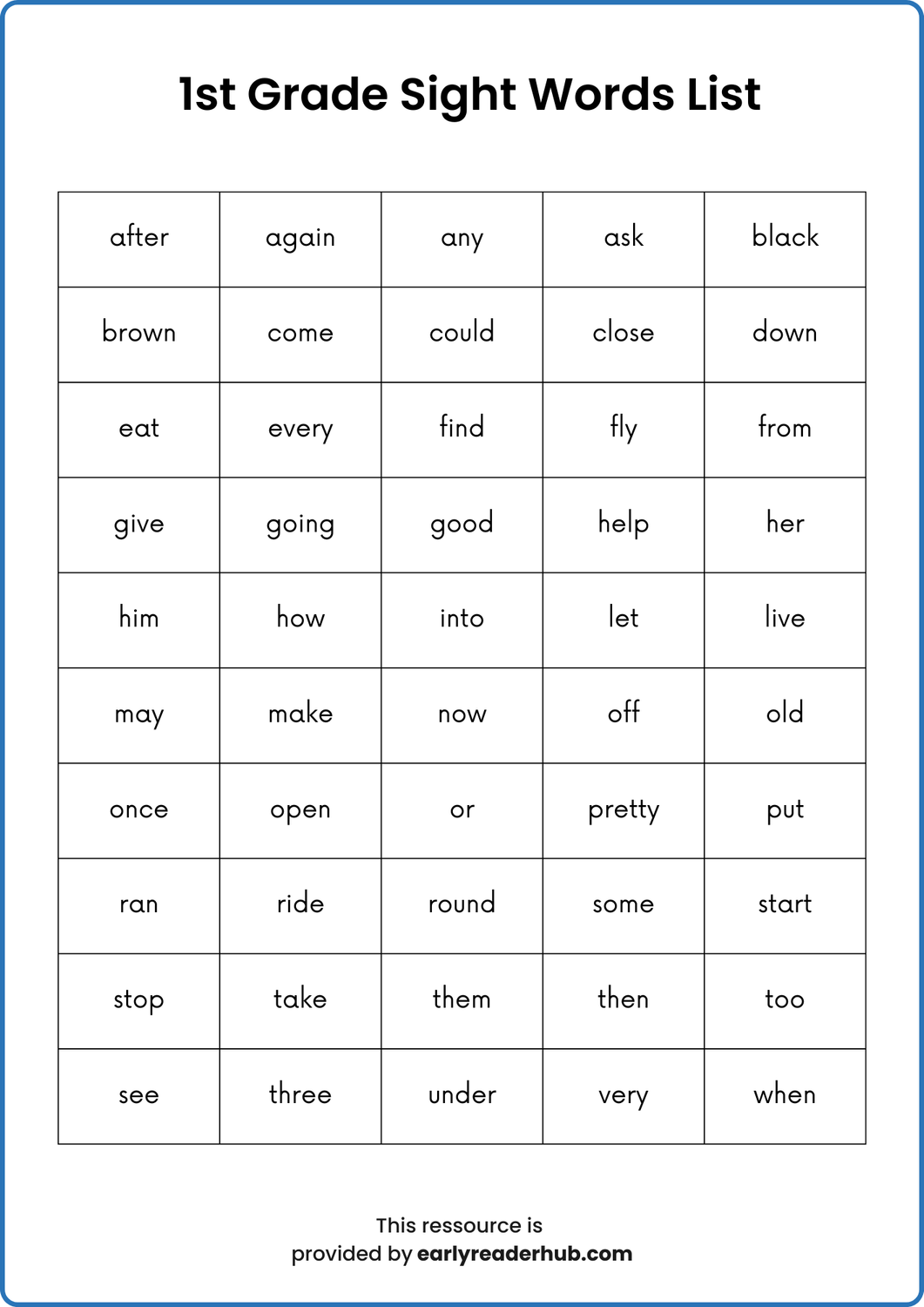
First grade marks a significant milestone as children transition from learning to read to reading to learn. At this stage, sight words such as because, think, and would come into play, challenging students to expand their reading fluency. These words, often longer or less phonetically regular, are crucial for developing comprehension and confidence.
To teach sight words effectively in first grade, it’s essential to blend reading, writing, and hands-on activities. Encourage children to practice writing sight words in fun ways, such as with glitter pens or in colorful journals. Introduce them to simple word games like “Sight Word Bingo” or create a “Word Wall” where they can add words they’ve mastered.Reading aloud together remains vital—choose engaging books with repetitive text to help children spot and remember sight words. Finally, introduce simple writing prompts where they can use sight words in sentences, fostering creativity while reinforcing learning.
Below is a list of sight words for young readers. You can start practicing with them and save or print this list for future use.
Second Grade (Ages 7–8): Expanding Fluency and Comprehension
By second grade, children are ready to tackle sight words in more complex contexts. Words like because, before, bring, and kind challenge them to enhance their fluency and comprehension. These words are not just for reading—they become tools for understanding meaning within larger texts.
Teaching sight words at this stage involves encouraging students to apply their knowledge. Reading becomes a collaborative activity: discuss how sight words fit into the story, explore their meanings, and encourage questions. Writing activities, such as crafting short stories using sight words or composing thank-you notes, help solidify their mastery. Incorporate group activities like “Word Treasure Hunts” where children search for sight words in books or on classroom displays. These fun, interactive methods make learning both engaging and rewarding.
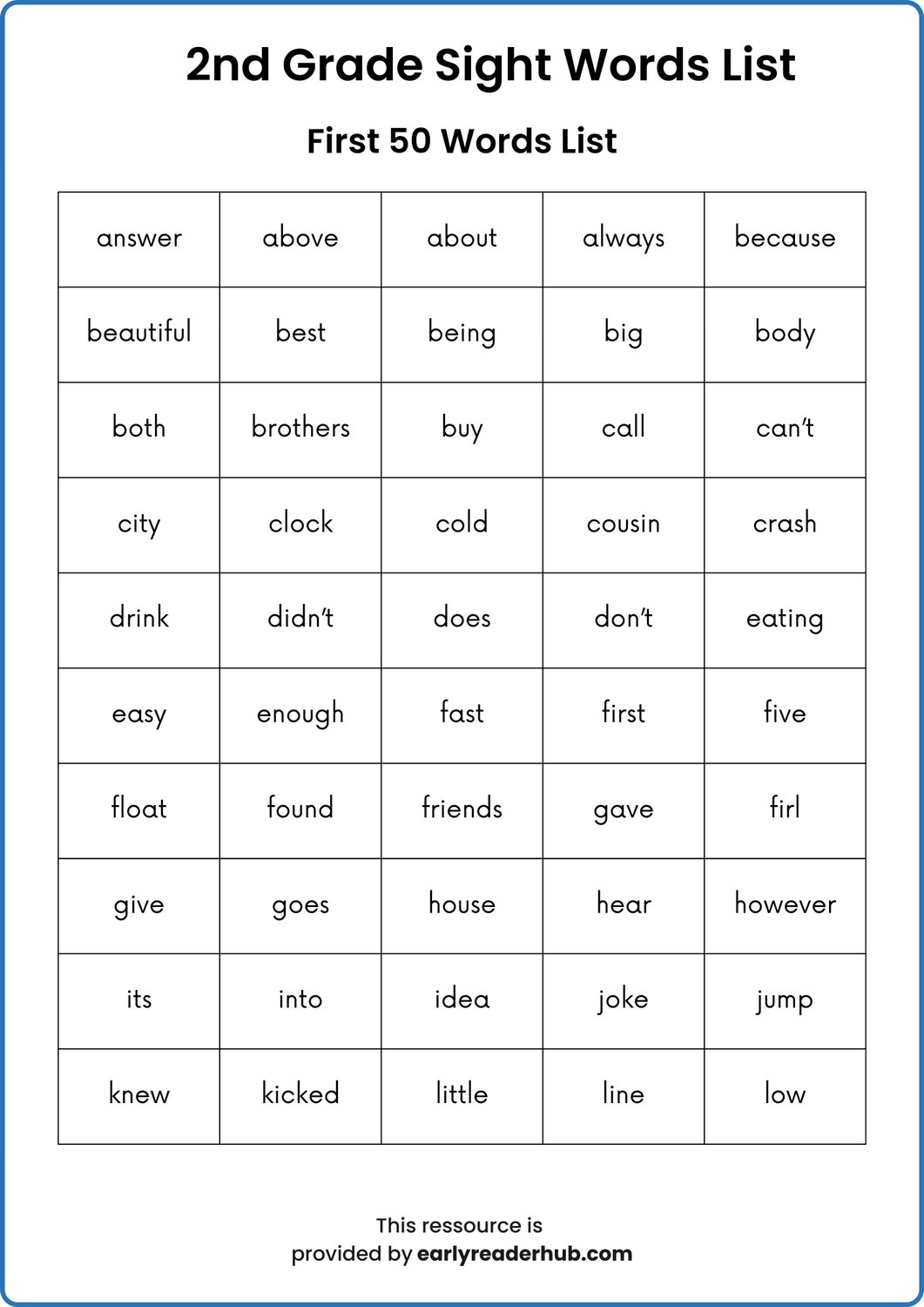
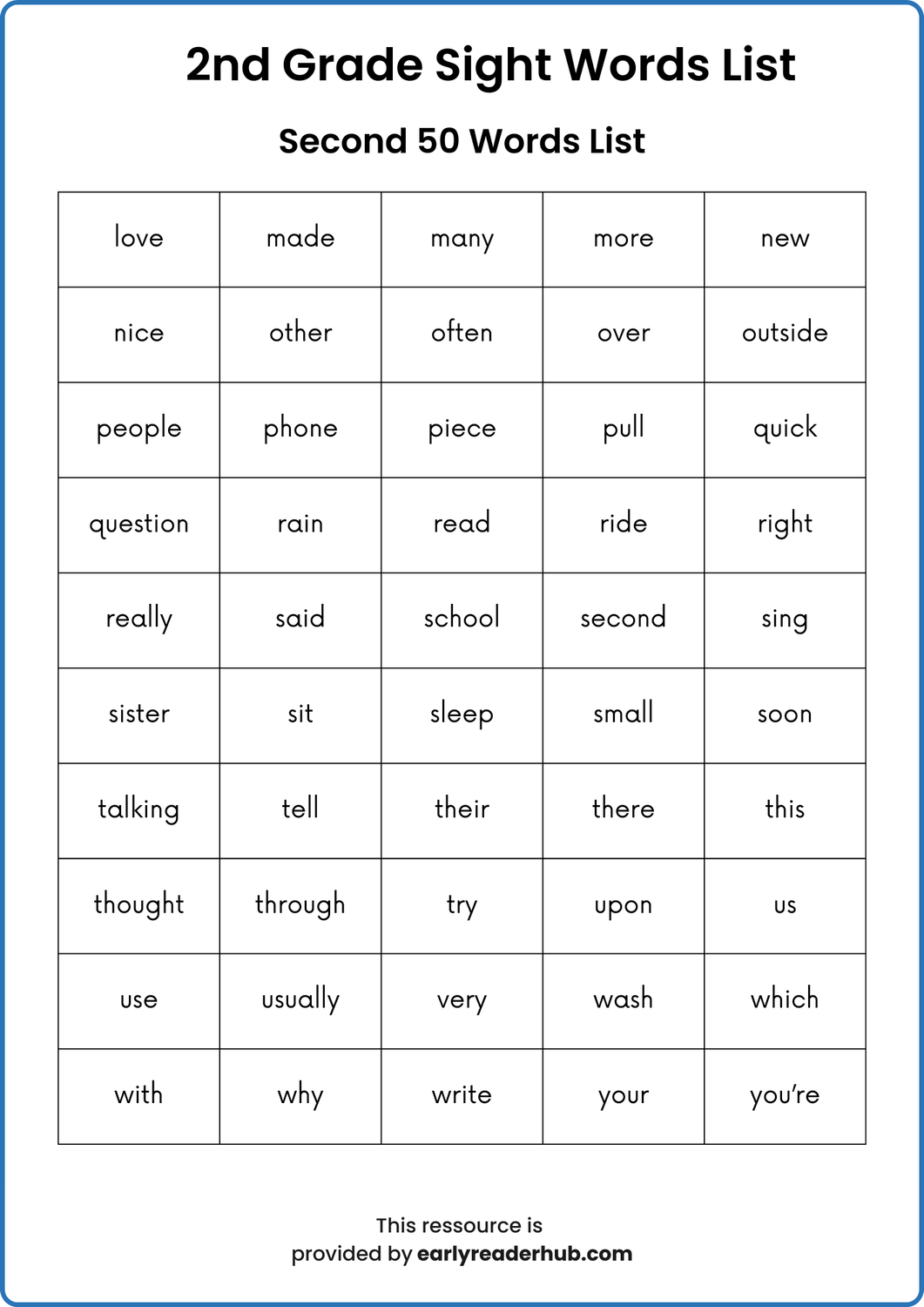
You will find a list of 100 common sight words suitable for second graders. Feel free to save or print this list to help you practice.
Third Grade (Ages 8–9): Strengthening Mastery and Application
In third grade, sight words serve as a gateway to advanced comprehension and critical thinking. Words like always, beautiful, thought, and together take center stage, enriching children’s vocabulary and preparing them for independent reading. At this stage, sight words are integrated into the broader learning process, becoming tools for inference, analysis, and storytelling.
Third graders thrive on activities that challenge their thinking and creativity. Encourage them to read books with richer vocabulary and identify sight words in context, discussing how these words shape the story. Writing assignments, such as crafting poems or personal narratives, allow them to use sight words meaningfully. Group projects, like creating sight word posters or acting out stories that emphasize sight words, help reinforce learning in a collaborative and enjoyable way.
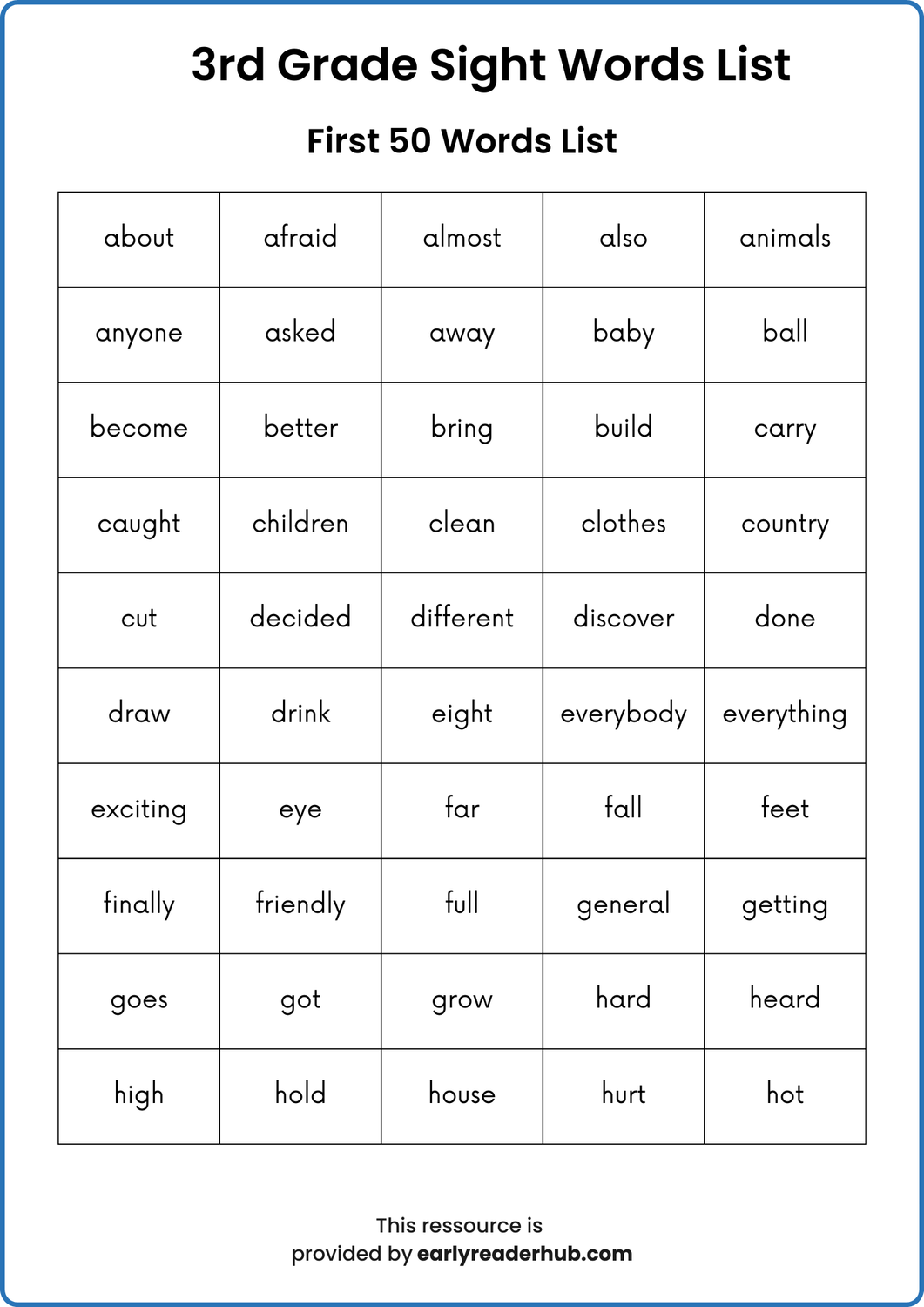
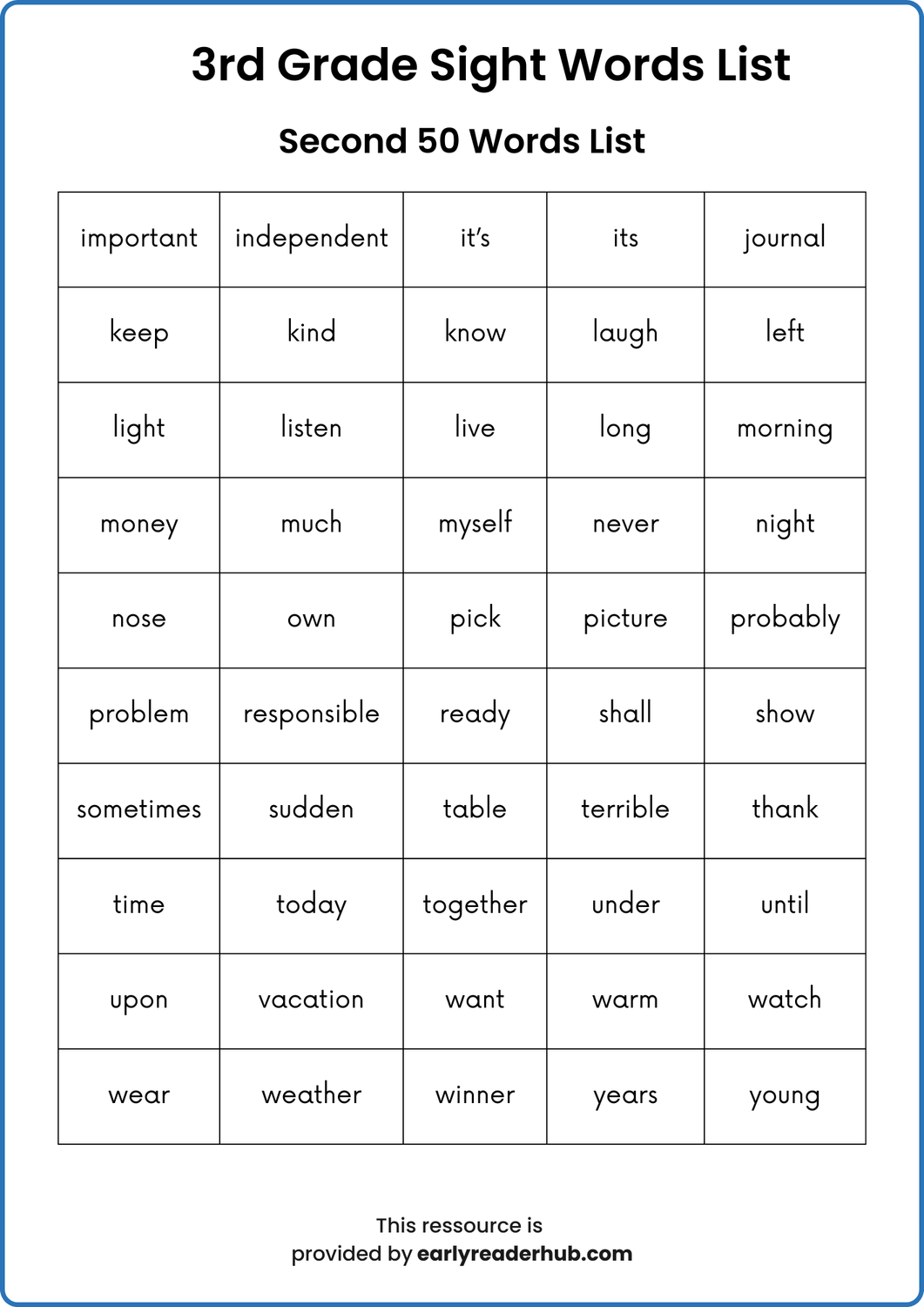
Presented here is a compilation of widely-used sight words for third graders students. You can utilize this list by saving or printing it for ongoing practice.
Overcoming Challenges
Teaching sight words can sometimes feel like navigating a maze, as every child learns differently and at their own pace. Here’s how you can address common struggles effectively:
Addressing Forgetfulness
Forgetfulness is one of the most common hurdles. Children might recognize a word one day and struggle to remember it the next. To address this, repetition and consistency are key. Incorporating sight words into daily activities, like spotting them in signs, books, or labels at home, reinforces their memory in natural and engaging ways. Creating a routine where children review words in small, manageable chunks each day can significantly improve retention without overwhelming them.
Boosting Engagement
Keeping children engaged, especially when lessons feel monotonous, can be challenging. This is where creativity makes all the difference. Transform learning into a game by incorporating fun activities like "sight word scavenger hunts" or using colorful flashcards in interactive ways. Singing songs or crafting stories around sight words can also capture a child’s imagination, making the learning process enjoyable and memorable.
Personalized Learning for Diverse Styles
Understanding and catering to diverse learning styles is crucial. For visual learners, colorful word charts and picture associations can work wonders. Kinesthetic learners, who thrive on movement, might benefit from tracing words in sand or building them with letter blocks. Auditory learners can benefit from repetitive reading aloud or engaging in word-themed rhymes and chants. Personalized approaches that align with a child’s strengths not only make learning more effective but also build their confidence.
Encouraging Patience and Celebrating Progress
Overcoming challenges in teaching sight words is about patience, adaptability, and persistence. Celebrate small victories along the way, as they serve as stepping stones to larger milestones in a child’s reading journey. With a mix of strategy and creativity, even the toughest obstacles can transform into opportunities for growth and connection.
A Simple and Fun Sight Word Teaching Session at Home
Picture this: it’s a cozy evening, and you’ve set up a quick, engaging sight word game at the kitchen table. You have a small stack of flashcards, and some colorful stickers ready to go.
You start by introducing three sight words: go, see, and play. Holding up each card, you say the word aloud, then ask your child to repeat it. “Let’s make it fun! Every time you get the word right, you get a sticker!” you explain, adding a playful tone.
Next, it’s game time. You spread the flashcards on the table and call out a word: “Can you find 'see'?” Your child quickly picks up the card and holds it up proudly. “Great job!” you cheer, handing them a sticker.
You wrap up the session by using the sight words in a short, relatable sentence: “We go to the park to play and see the ducks!” Your child repeats the sentence, and you give them one last sticker for their effort.
In just 10-15 minutes, your child has practiced reading, listening, and recalling sight words—all in a fun, pressure-free way. This kind of quick, interactive session fits easily into a busy day while making learning enjoyable.
Conclusion
Teaching sight words is a foundational step in nurturing a lifelong love for reading and learning. By approaching the process in an age-appropriate and engaging way, you can help children build confidence in their reading abilities while fostering a positive attitude toward education. Whether you’re playing a game at home, using interactive tools, or practicing daily in small doses, every effort contributes to your child’s literacy journey.
Remember, the goal is progress, not perfection. Celebrate every small success, and be patient as your child learns at their own pace. With consistency, creativity, and a touch of fun, teaching sight words can become a rewarding experience for both you and your child.
Download our Sight Words PDF Lists for each grade to have a handy guide tailored to your child’s learning level, and start making reading an enjoyable adventure today!
Copyright © Early Reader Hub 2026
All Rights Reserved
Copyright © Early Reader Hub 2025 All Rights Reserved