
How to Make CVC Words Fun with Everyday Objects
Discover hands-on phonics activities that turn ordinary household items into extraordinary learning tools.
Teaching children to read can be a magical journey, especially when it involves engaging, hands-on activities. CVC words—short, phonetic, and easy to decode—serve as the foundation of early literacy. But how can you make learning these essential words fun and interactive? The answer lies right in your home! Everyday objects like toys, food, and household items can become powerful tools to teach and reinforce phonics skills.
In this article, we’ll explore creative ways to teach CVC words using everyday items. Along the way, we’ll share tips, activities, and ideas for incorporating these techniques into your child’s routine.
Why Hands-On Learning Helps Build Reading Skills
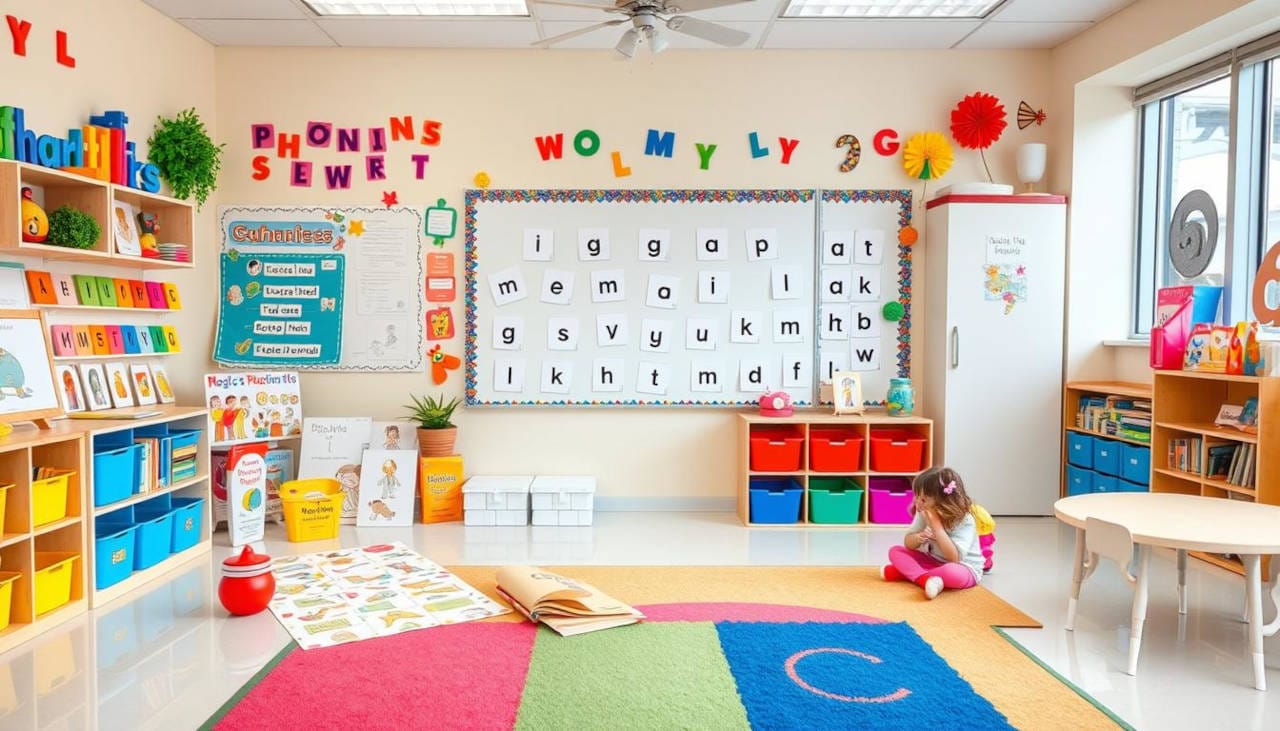
Hands-on learning engages children by turning abstract concepts into tangible activities. For phonics and early reading, using everyday objects to teach CVC (Consonant-Vowel-Consonant) words enhances comprehension, keeps kids interested, and makes learning memorable. Everyday items like toys, food, or household materials can make reading fun and interactive, encouraging creativity while reinforcing essential skills.
1. Using Toys to Teach CVC Words
Children’s toys like blocks, magnetic letters, or LEGO bricks can become powerful tools for teaching CVC words! Here's how :
A. Alphabet Blocks for Word Building
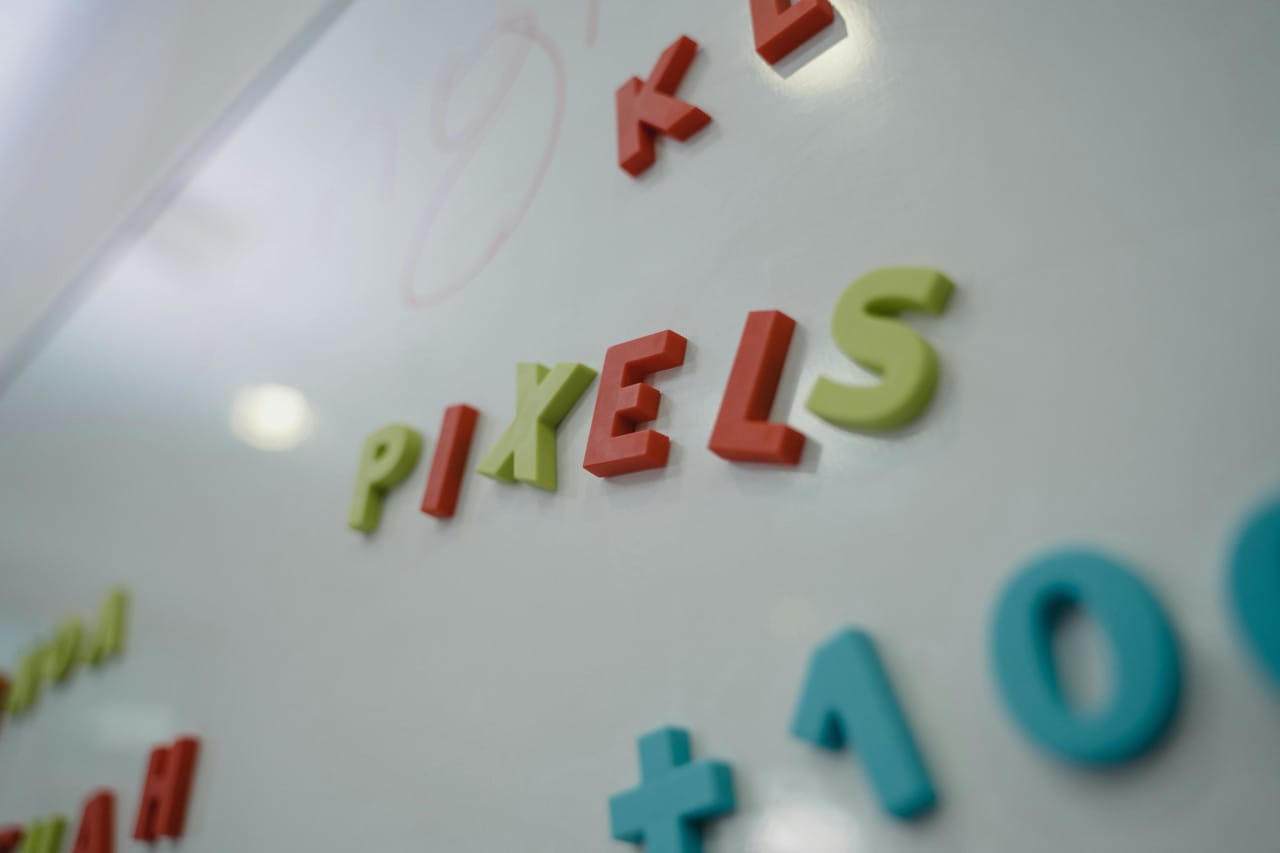
Grab a set of alphabet blocks or letter magnets and use them to spell out CVC words like cat, dog, or bat.
Grab a set of alphabet blocks or letter magnets and use them to spell out CVC words like cat, dog, or bat.
How to Play
1. Arrange random letters on a flat surface.
2. Ask your child to pick blocks to form specific CVC words.
3. Once the word is formed, have them sound it out, blending the letters.

B. Toy Adventures: Find the Hidden Words
Turn toy cleanup into a learning adventure. Label toys or cars with CVC words using sticky notes and hide them around the house.
Turn toy cleanup into a learning adventure. Label toys or cars with CVC words using sticky notes and hide them around the house.
Activity Example
Write mat, rug, and bag on sticky notes.
Attach them to different toys and encourage your child to “find the word.”

2. Food Phonics: Fun with Snacks and Letters
Food makes everything more exciting! Whether it’s cereal, crackers, or fruit slices, you can turn snack time into a learning session.
A. Cereal Letters for Word Creation
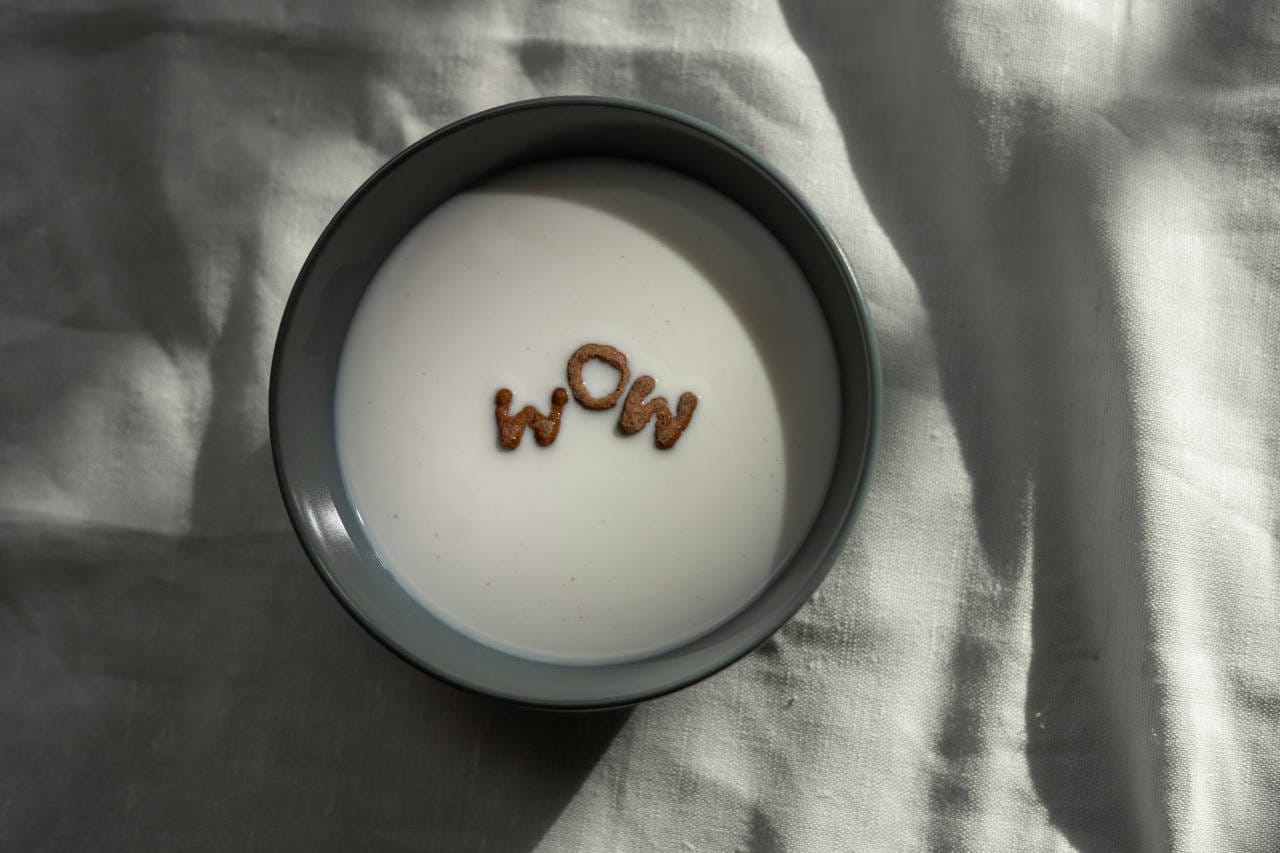
Using alphabet-shaped cereal, create CVC words on the dining table.
Using alphabet-shaped cereal, create CVC words on the dining table.
How to Play
1. Pour a handful of cereal onto a plate.
2. Challenge your child to spell words like cup or bed before eating them.
B. Cookie Decorating with CVC Themes
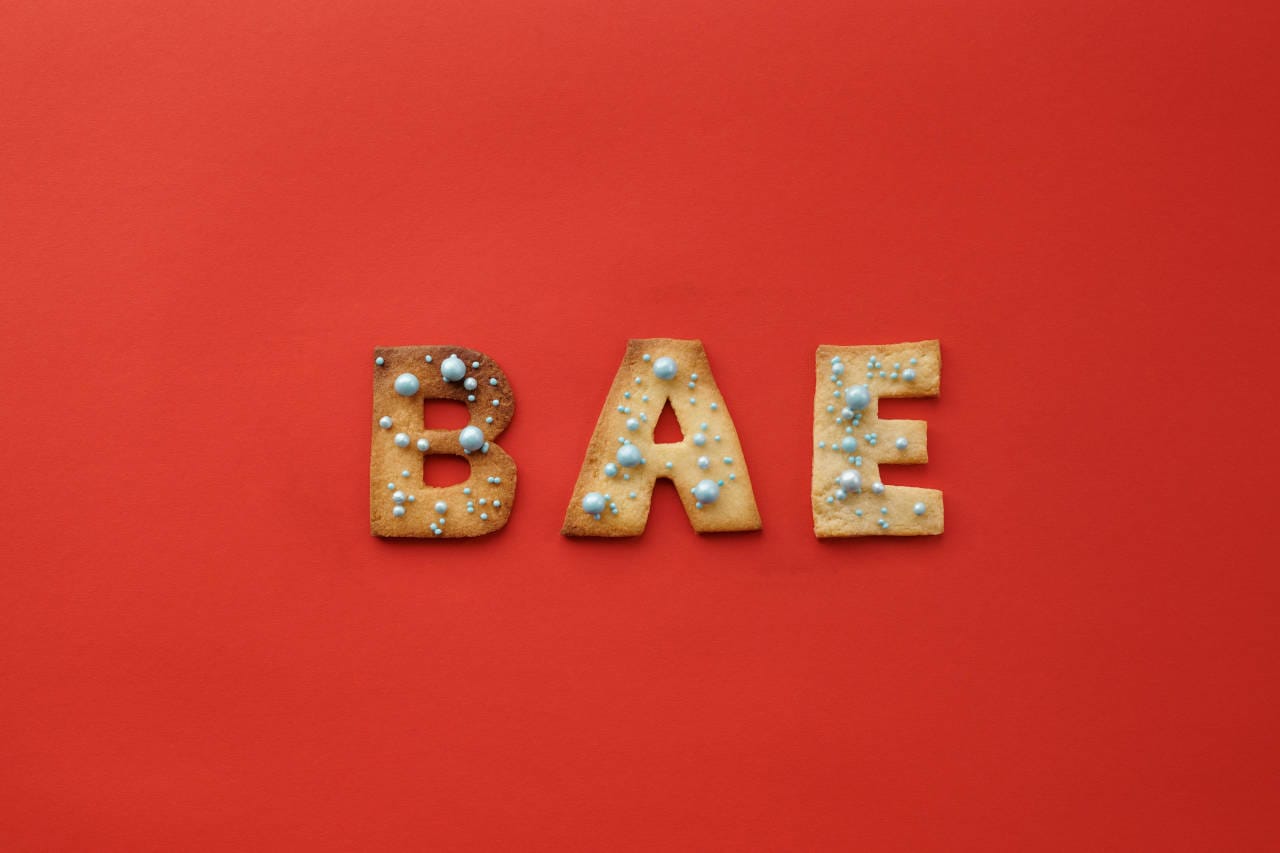
Bake cookies and decorate them with icing to form CVC words.
Bake cookies and decorate them with icing to form CVC words.
Activity Example
1. Bake round cookies and write one letter on each with icing (e.g., C, A, T).
2. Have your child arrange the cookies to form words before enjoying the treat.
3. Household Objects as Learning Tools
Everyday items like pillows, utensils, or even laundry can double as phonics tools.
A. Laundry Basket Word Sorting
Turn sorting laundry into a CVC word activity.
Turn sorting laundry into a CVC word activity.
How to Play
1. Label three baskets with CVC words (e.g., top, lip, cap).
2. Have your child toss clothes into the correct basket based on the words.
B. Refrigerator Magnets for Word Play
Refrigerator magnets are perfect for spelling practice.
Refrigerator magnets are perfect for spelling practice.
Activity Example
1. Arrange letters on the fridge to form scrambled CVC words (e.g., tap as pat).
2. Challenge your child to unscramble them and spell them correctly.
4. Printable Worksheets to Enhance CVC Word Practice
While everyday objects are fantastic, combining them with structured practice ensures well-rounded learning. Printable worksheets offer guided activities that complement hands-on play and help reinforce CVC word mastery.
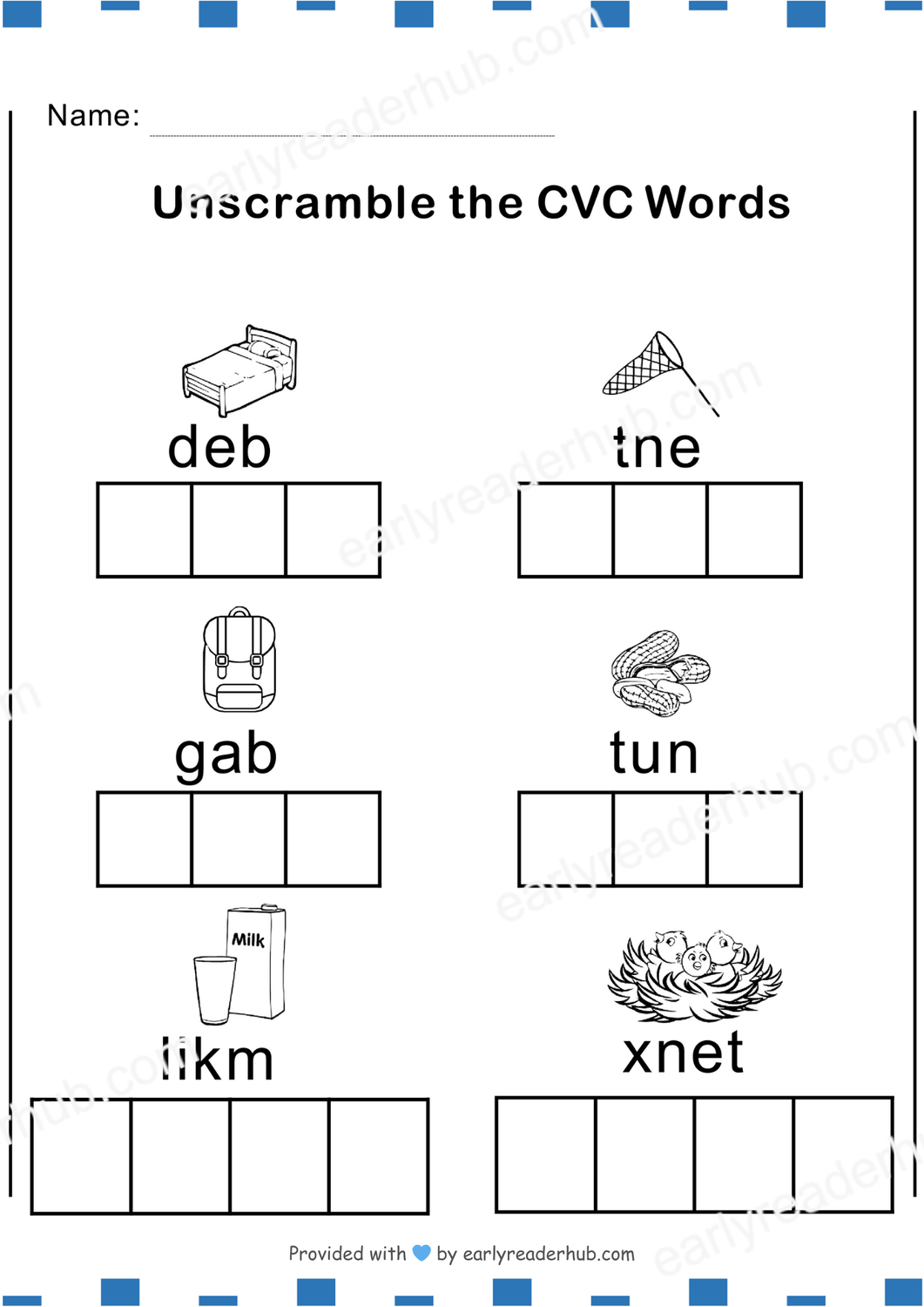
1. Unscramble the CVC Words
Use any illustrations to guide children in rearranging scrambled CVC words. Below are two example worksheets to get started. Simply right-click the images and select “Save Image as” to download and print them for immediate use.

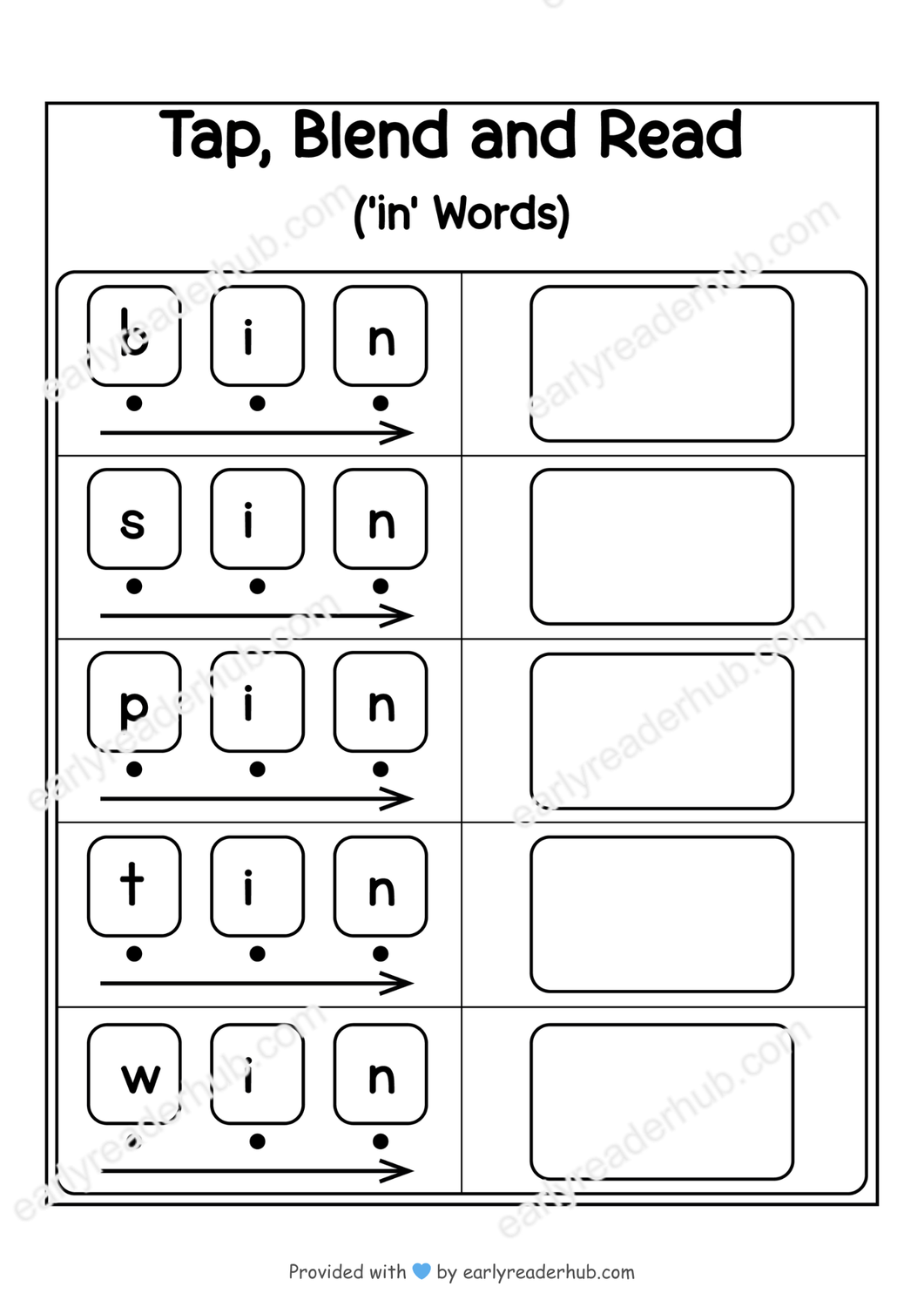
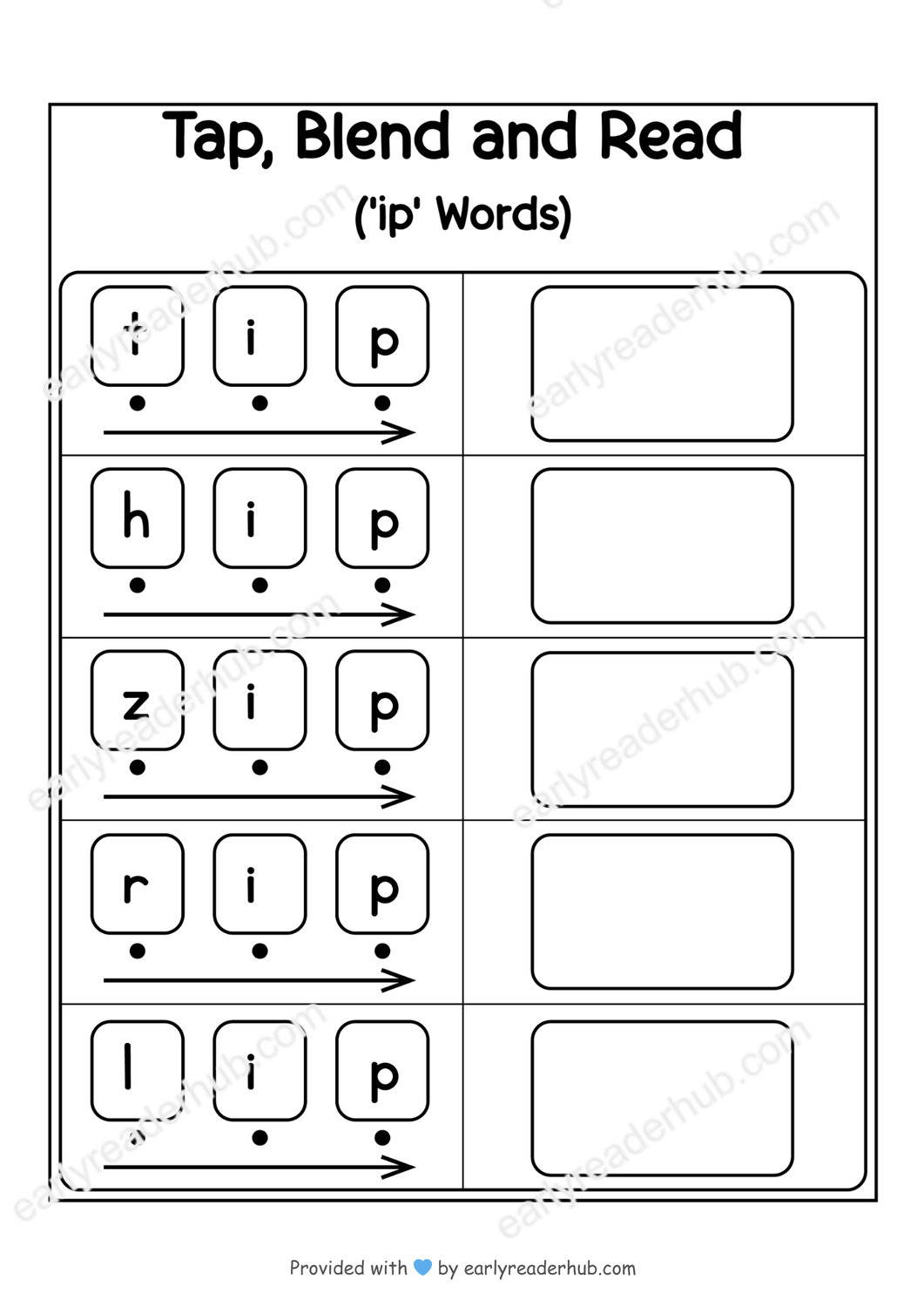
2. Tap, Blend, and Read
In this activity, children tap each letter to sound it out, blend the sounds together, and read the complete word. It's perfect for practicing phonics in a structured format. Below, you’ll find two sample worksheets demonstrating this technique. Right-click the images and choose “Save Image as” to download and print them.
Discover More!
Ready to unlock even more fun and learning? Our Early Learning Bundle offers 1,000+ activities for reading, writing, coloring, and more—all at an unbeatable price. Equip your child with the tools they need for success in literacy and beyond.
Conclusion: Building Strong Readers with Both CVC and Sight Words
By using everyday objects, you transform mundane moments into exciting opportunities for learning. From alphabet blocks to kitchen magnets, the possibilities are endless. Pair these activities with structured practice, and watch your child develop confidence in reading.
Encourage your child to explore, create, and have fun with words. Remember, the goal isn’t just to teach but to inspire a lifelong love of learning.
Final Tip
Always celebrate small wins, like correctly spelling a word or identifying a tricky sound. Positive reinforcement goes a long way in building enthusiastic readers.
Explore more
Check out our printable worksheets bundle and activity guides to make learning CVC words even more interactive.

Copyright © Early Reader Hub 2026
All Rights Reserved
Copyright © Early Reader Hub 2025 All Rights Reserved