
15 Fun and Creative Activities to Teach Sight Words to Kids
Teaching sight words can be a fun and interactive way to engage children in reading. Sight words are some of the most commonly used words in the English language, but they don't always follow regular phonetic rules. These words, which children often need to memorize by sight rather than sound, are foundational for early reading skills. Recognizing them quickly improves fluency and reading comprehension, helping kids read with greater ease and confidence.
To make learning sight words exciting and engaging, here are 15 creative activities that turn practice into play. From scavenger hunts to bingo, these activities will not only support your child's learning but also keep them motivated to continue their reading journey.
1. Sight Word Scavenger Hunt
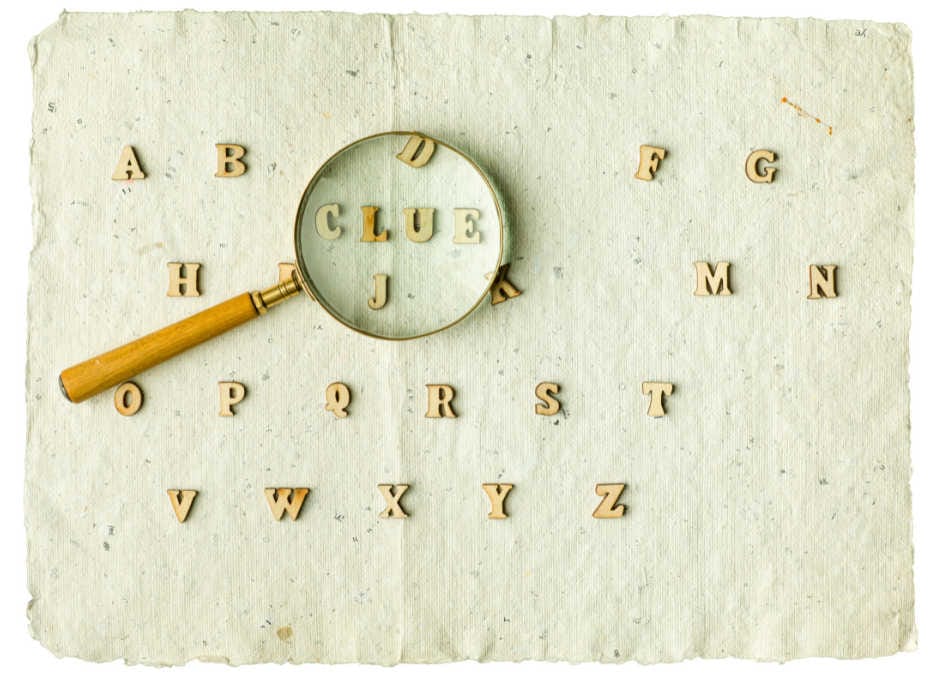
A Sight Word Scavenger Hunt is a thrilling way for children to explore their environment while learning. Hide flashcards with sight words around the house or classroom. As children find the cards, they should read the words aloud and use them in a sentence. This activity encourages movement, enhances word recall, and turns the learning process into an adventurous treasure hunt. To make the game more challenging, you can add clues related to the sight words or even ask children to write the words they find in a sentence. Not only does this activity promote recognition, but it also helps children associate the words with their meaning in a fun, hands-on way.
2. Flashcard Flip
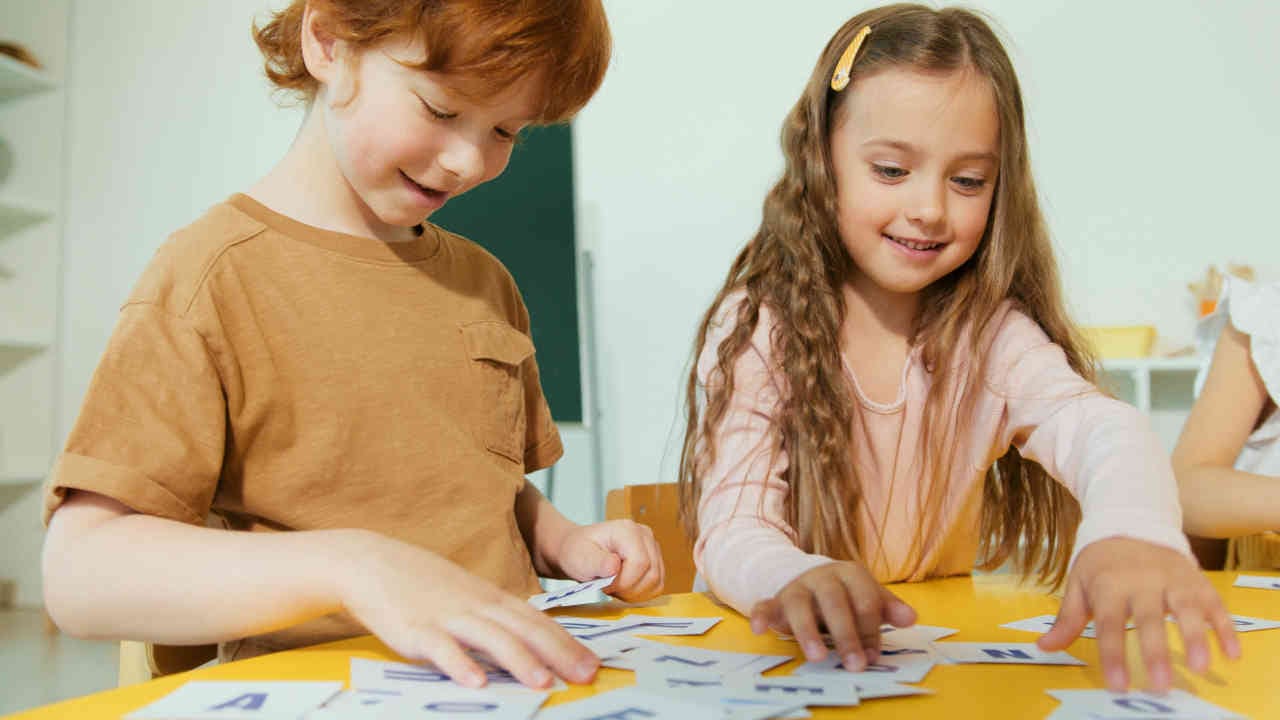
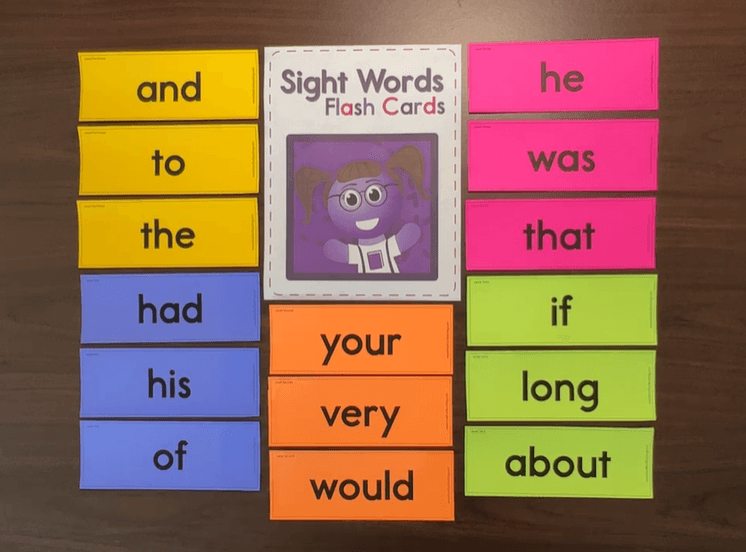
Flashcards are a classic and effective tool for teaching sight words. Create a set of flashcards with words on one side and pictures or sentences on the other. Have the child flip the card to match the word with its picture or sentence. This reinforces word recognition and provides visual context for the child. It’s a simple, versatile game that can be played alone or in groups, with options to increase difficulty as their skills grow.
3. Word Bingo
Word Bingo is a fantastic group activity that helps children improve their sight word recognition in a social, competitive setting. Create custom bingo cards with sight words instead of numbers. Children mark the words they hear or read out loud while the caller calls out the words randomly. The first child to fill a row or the entire card wins! Word Bingo is an ideal game for a classroom or a family gathering, as it promotes both listening and reading skills. You can vary the difficulty of the cards based on the child’s learning level, making this a versatile and exciting game to play frequently.
4. Sight Word Worksheets
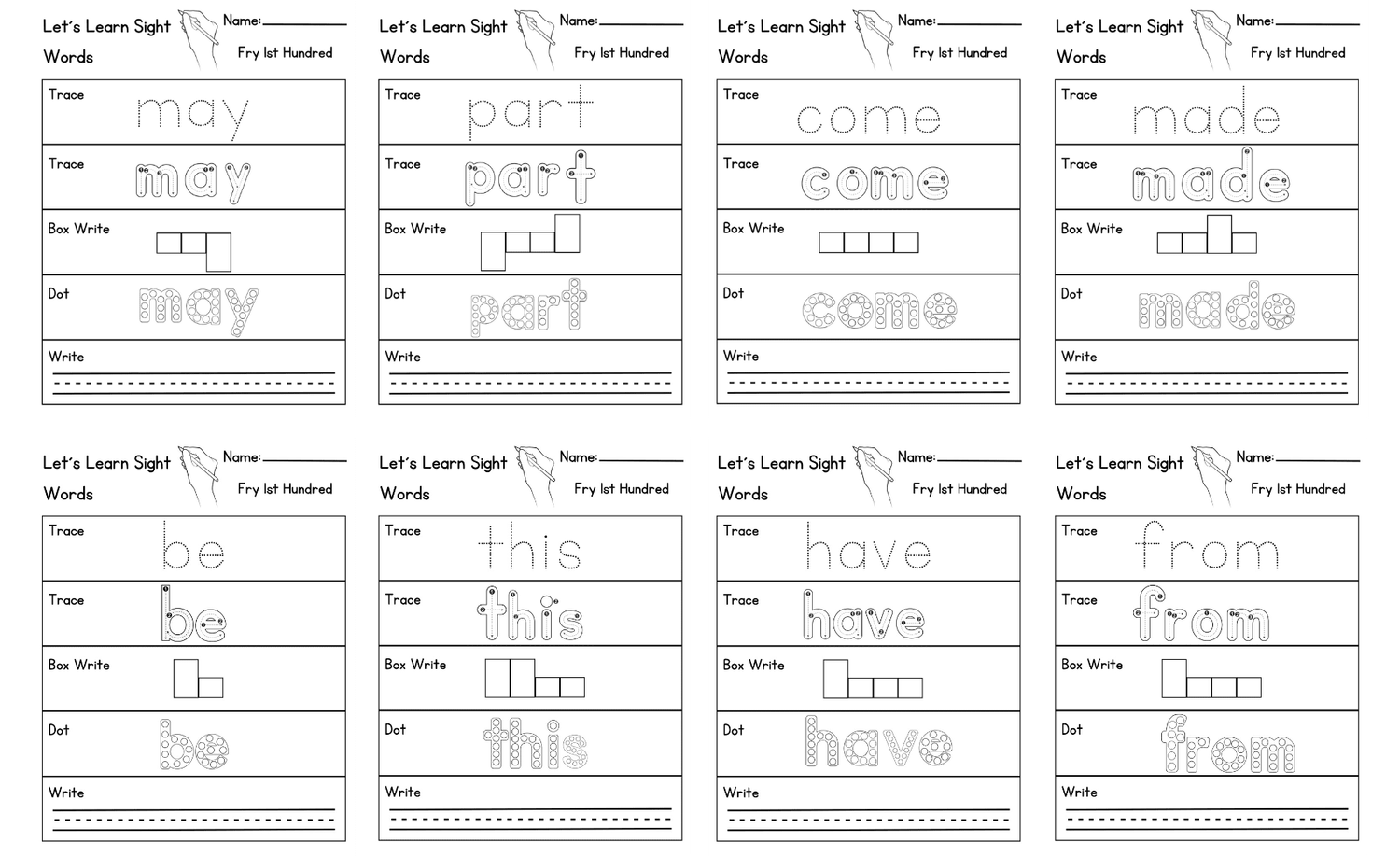
Sight Word Worksheets are a simple yet highly effective way for children to practice writing and identifying sight words. These worksheets can include tasks like filling in the blank with the correct sight word, matching words to pictures, or tracing the words to improve handwriting. By engaging in worksheets, children not only work on recognizing sight words but also build fine motor skills and spelling accuracy. This activity can be done independently or as part of a classwork assignment. For a fun variation, parents and teachers can create worksheets that tie sight words to a child’s interests, making them even more engaging..
5. Word Building with Play-Doh
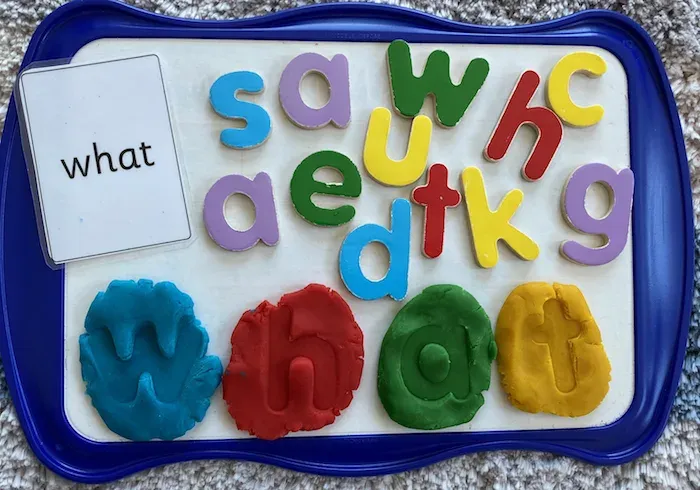
Source : @earlyeducationzone.com
This fun and tactile activity is perfect for young learners. Using Play-Doh, children roll out the dough to form letters and build sight words. As they mold each letter, they reinforce their understanding of the word’s spelling and structure. The hands-on experience helps improve fine motor skills while also promoting visual recognition of sight words. You can challenge children to build words they’ve learned or encourage them to spell out new words as they master their sight word list. This activity also makes for a perfect sensory learning experience.
6. Sight Word Hopscotch
Hopscotch isn’t just for numbers—use it to practice sight words! Write sight words on large pieces of paper and arrange them in a hopscotch grid. Children hop from square to square while reading the word they land on. This active learning method helps children focus on the words while they are moving. For added fun, have them use the word in a sentence after each jump.
7. Rainbow Write Sight Words
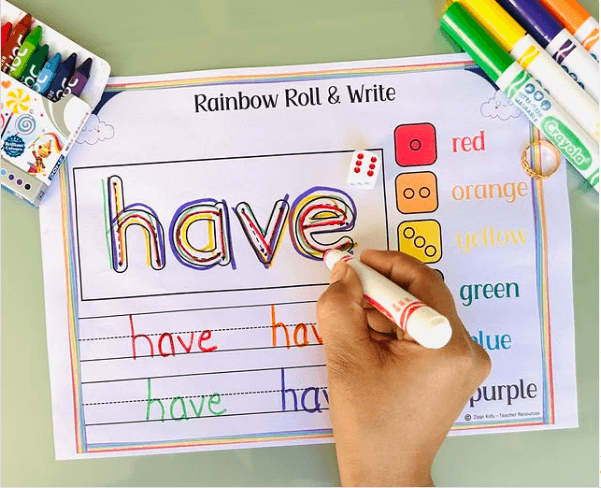
Source : @zippikids.com/
Rainbow writing is a creative and colorful way for children to practice sight words. Using colored markers or crayons, children trace sight words multiple times, each time using a different color. This repetition helps reinforce the shape and spelling of each word, while the variety of colors keeps the activity visually stimulating. By creating a "rainbow" of colors for each word, children engage their senses, which makes the activity more memorable. This method is especially effective for kids who are visual learners.
8. Sight Word Memory Match
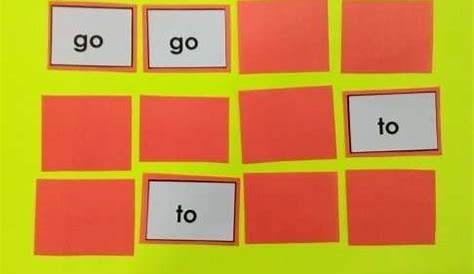
Memory match games are a wonderful way for children to improve their memory and word recognition. Create a set of cards with sight words and matching pictures or sentences. Lay the cards face down, and children take turns flipping two cards at a time to try to find matching pairs. As they match the words to the corresponding pictures or sentences, children reinforce their knowledge of the words in a playful and engaging way. You can also increase the game’s difficulty by adding more cards or by using more challenging sight words.
9. Sight Word Song
Turning sight words into a song can help children learn more effectively through music. Set sight words to a simple melody or use a familiar song, inserting the sight words into the lyrics. Children can sing along, which helps them internalize the words by associating them with a fun and repetitive tune. Singing also engages different parts of the brain, making it easier for children to remember the words. Whether you use classic nursery rhymes or make up your own tunes, this activity makes sight word learning playful and memorable.
10. Sight Word Fishing Game
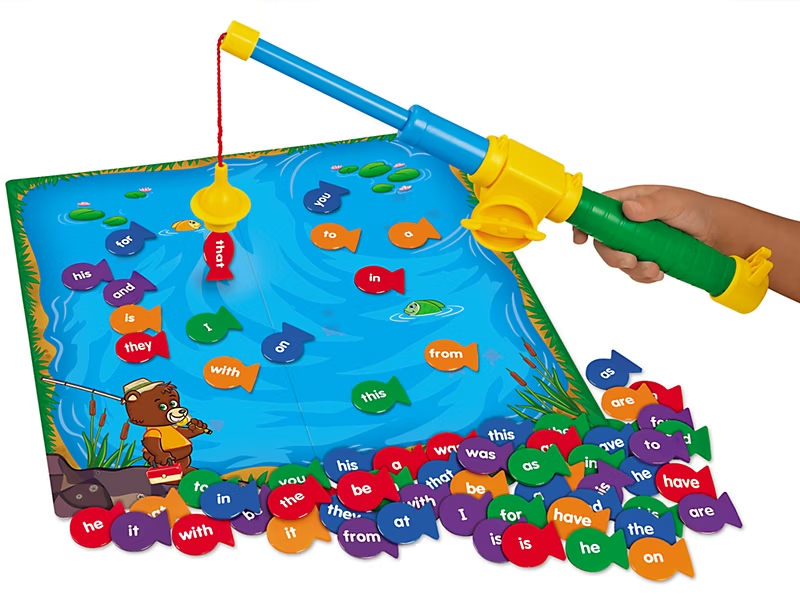
Source : @lakeshorelearning.com
The Sight Word Fishing Game turns learning into a playful outdoor or indoor activity. Create paper fish with sight words written on them. Using a toy fishing rod or a stick with a string, children can "catch" the fish by hooking the string onto the paper fish. Once they catch a fish, they read the word aloud. This game is a fun way to reinforce sight word recognition and improve fine motor skills. For added difficulty, children can catch multiple fish at once or be tasked with using each word they catch in a sentence.
11. Sight Word Puzzle
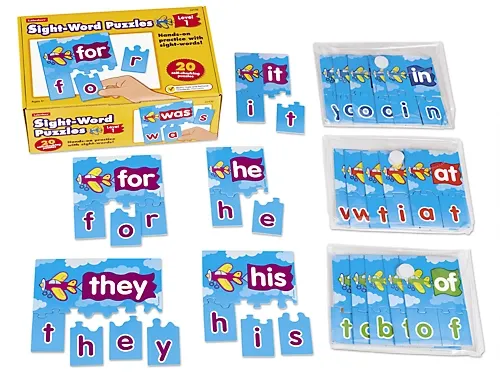
Source : @lakeshorelearning.com
Sight Word Puzzles are an effective way to combine reading practice with problem-solving. Print out or create your own sight word puzzles by cutting sight words into pieces, then challenge children to put the word back together. This hands-on activity encourages children to visualize and spell out the words, improving their familiarity with the word structure. Puzzles also provide a sense of accomplishment once completed. You can make puzzles progressively harder by using more difficult sight words as the child’s skills develop.
12. Hop, Skip, and Jump to Sight Words
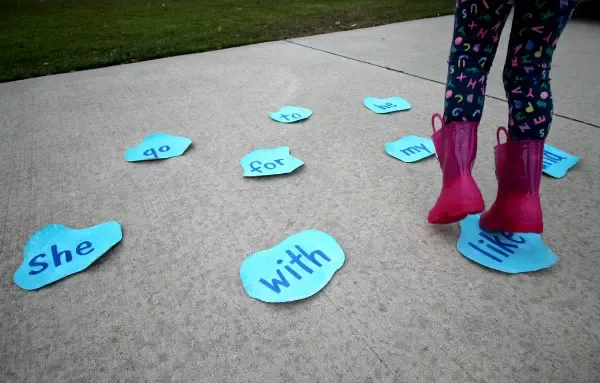
Source : @fantasticfunandlearning.com
This game is a fun way to get children moving while reinforcing their sight word knowledge. Write sight words on large pieces of paper and place them on the floor. As the child hops, skips, or jumps from word to word, they must say the word out loud. This not only makes learning more fun but also helps kids connect physical movement with the recognition of sight words. For added challenge, call out the word they need to jump to next or have them spell the word aloud.
13. Sight Word Bowling
Sight Word Bowling is a great way to practice sight words while having fun with a physical game. Label bowling pins with sight words and set them up in a row. Then, children roll a ball to try and knock over the pins. Once they knock over a pin, they must read the word aloud before taking their next turn. This game is perfect for reinforcing word recall and also helps with gross motor skills, as kids roll the ball and aim for the pins.
14. Flashlight Words
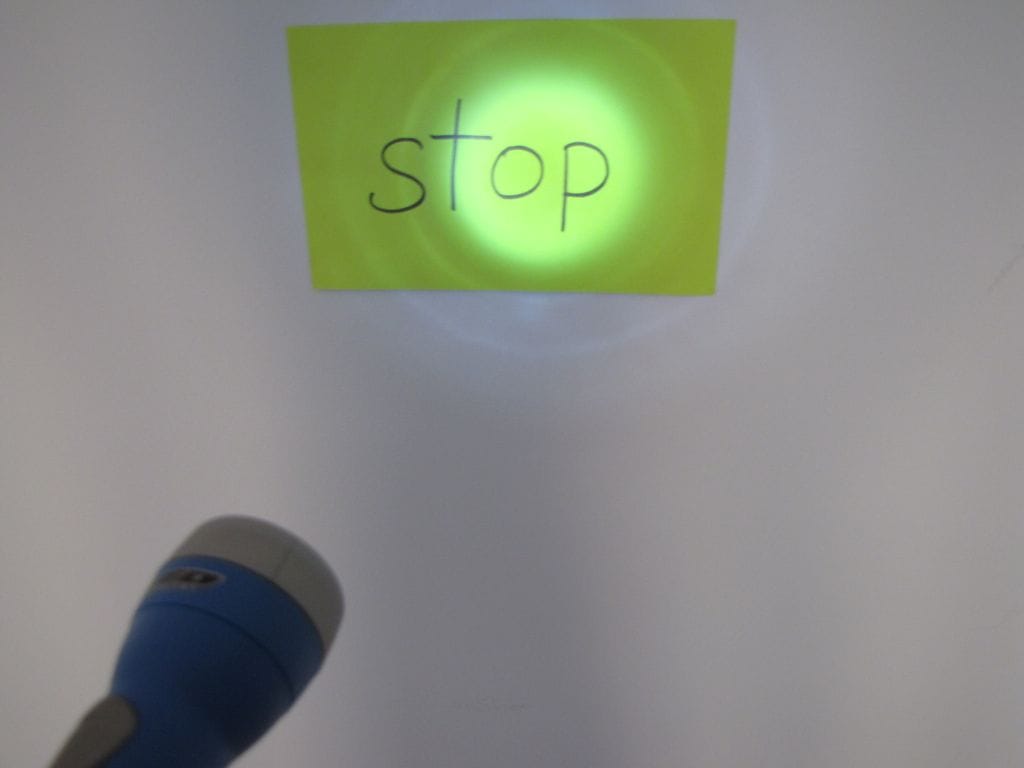
Source : @kiwico.com
A simple yet effective game, Flashlight Words turns the task of reading sight words into an exciting, interactive experience. Turn off the lights and use a flashlight to highlight sight words written on the wall or floor. Children take turns reading the illuminated words, making this game both fun and engaging. This activity also encourages kids to stay focused and sharp, as they look for the words in the dark. The use of a flashlight adds an element of mystery and excitement to learning.
15. Sight Word Crafting
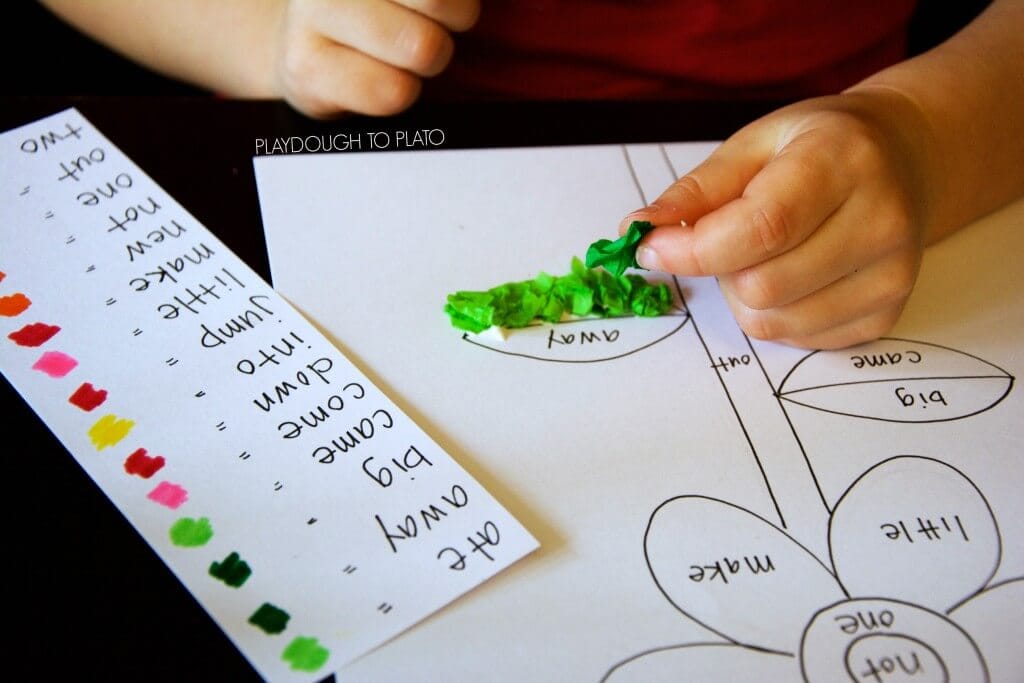
Source : @playdoughtoplato.com
Integrating art into learning is a fantastic way to reinforce sight words. In Sight Word Crafting, children can create word-based artwork such as collages or word art. Using materials like magazines, scissors, and glue, children cut out letters or words to create a fun and colorful piece of art. This tactile approach helps solidify word recognition, as kids engage creatively with the words they are learning. The crafting process also promotes fine motor skills and creativity while reinforcing their sight word knowledge.
Conclusion
By turning sight word practice into fun games and activities, you can help children build a solid foundation in reading. These 15 activities will keep children motivated and excited to learn, turning what could be a tedious task into an enjoyable challenge. Whether through scavenger hunts, songs, or hands-on crafts, these activities will foster a love for reading and support children in mastering sight words with ease.
Copyright © Early Reader Hub 2026
All Rights Reserved
Copyright © Early Reader Hub 2025 All Rights Reserved