
Sight Words vs. Decodable Words: What’s the Difference?
Teaching children to read is a rewarding journey marked by exploration and growth. At the heart of this process are two essential elements: sight words and decodable words. While both are crucial to developing strong reading skills, they each play a unique role and require different approaches for effective teaching.
In this article, we’ll answer common questions about sight words and decodable words, explore their complementary roles in literacy, and share practical tips for teaching them. We’ll also touch on the concept of "trick words" and how they fit into early reading strategies.
What Are Sight Words ?
Sight words are high-frequency words that appear repeatedly in texts, such as the, and, or you. These words are typically introduced during preschool and kindergarten and continue to play a vital role in first and second grade as children build fluency. Since many sight words don’t follow standard phonetic rules, children must memorize them to recognize them instantly. This quick recognition leads to smoother, more confident reading, allowing young learners to focus on understanding the text rather than decoding each word.
For example :
Words like the, is, and to are typically taught in preschool and kindergarten.
More complex sight words, such as could or through, might be introduced in first or second grade.
The ultimate goal is for children to identify these words on sight, without needing to sound them out.
Teaching sight words often involves engaging activities like flashcards, games, and contextual reading. As children master these words, they gain confidence in both reading and writing, building a strong foundation for literacy and fostering a lifelong love of books.
Why Can’t Sight Words Be Sounded Out?
Sight words are challenging to sound out because many of them contain irregular spelling patterns or sounds that don’t align with standard phonics rules. In other words, the way these words are spelled doesn’t consistently match how they are pronounced. This makes decoding them using phonics strategies difficult, especially for early readers who are just beginning to learn letter-sound relationships.
Here are a few examples to illustrate these irregularities:
Said: The “a” does not produce its expected short or long sound. Instead, it sounds more like /ɛ/ (as in bed), which is unexpected based on phonics rules.
Could: The "ou" in could produces a /ʊ/ sound, as in put, rather than the more common /aʊ/ sound found in words like out or house.
One: The spelling of one suggests a completely different pronunciation than its actual sound (/wʌn/), making it highly irregular.
These irregularities can cause confusion and frustration for children if they attempt to decode these words using phonics alone. As a result, sight words are typically taught through memorization rather than decoding.
Are Trick Words the Same as Sight Words?
Trick words are irregular words that cannot be decoded using typical phonics rules. These words have unexpected spelling or pronunciation patterns that make them "tricky" for early readers to sound out. The term "trick words" is commonly used in literacy programs like Fundations® to emphasize their unique nature.
It’s essential to understand the distinction between trick words and sight words:
All trick words are sight words because they must be memorized for fluent reading.
Not all sight words are trick words, as some sight words follow standard phonics rules but are still taught for automatic recognition to improve fluency.
For instance :
Trick Word Example:Was, where the "a" sound does not produce its expected short or long sound, making it irregular. Readers cannot decode this word using phonics alone and must memorize it.
Regular Sight Word Example:And, which follows phonetic rules, making it phonetically decodable. However, it is taught as a sight word to ensure automatic recognition, which helps improve reading fluency.
By teaching trick words alongside sight words, educators help children master irregular spellings, facilitating smoother reading and greater comprehension skills.
Why Are Sight Words Important for Early Readers?
For children, recognizing sight words instantly helps them focus on decoding more complex words and improves overall comprehension. Sight word mastery reduces reading frustration and builds confidence, which is critical during the early years of reading instruction.
Here’s how sight words help:
Reading Fluency: By recognizing high-frequency words quickly, children can read more smoothly and naturally.
Building Confidence: Early success with sight words encourages children in preschool, kindergarten, and first grade to approach reading with excitement rather than hesitation.
Improving Comprehension: Recognizing sight words helps children devote mental energy to understanding the story rather than decoding every word.
To illustrate, when a child reads a sentence like, "The dog is on the bed," they benefit from instantly recognizing the words "the" and "is." This allows them to concentrate on decoding the more challenging words "dog" and "bed," enhancing their reading flow and comprehension.
How Should Parents and Teachers Teach Sight Words?
Teaching sight words effectively requires a mix of strategies tailored to the child’s age, learning style, and progress. Here’s a step-by-step guide:
1. Start with Multisensory Activities for Early Learners:
For preschool and kindergarten learners, incorporating multisensory activities makes learning sight words engaging and memorable. These hands-on methods stimulate multiple senses, helping young children retain information better:
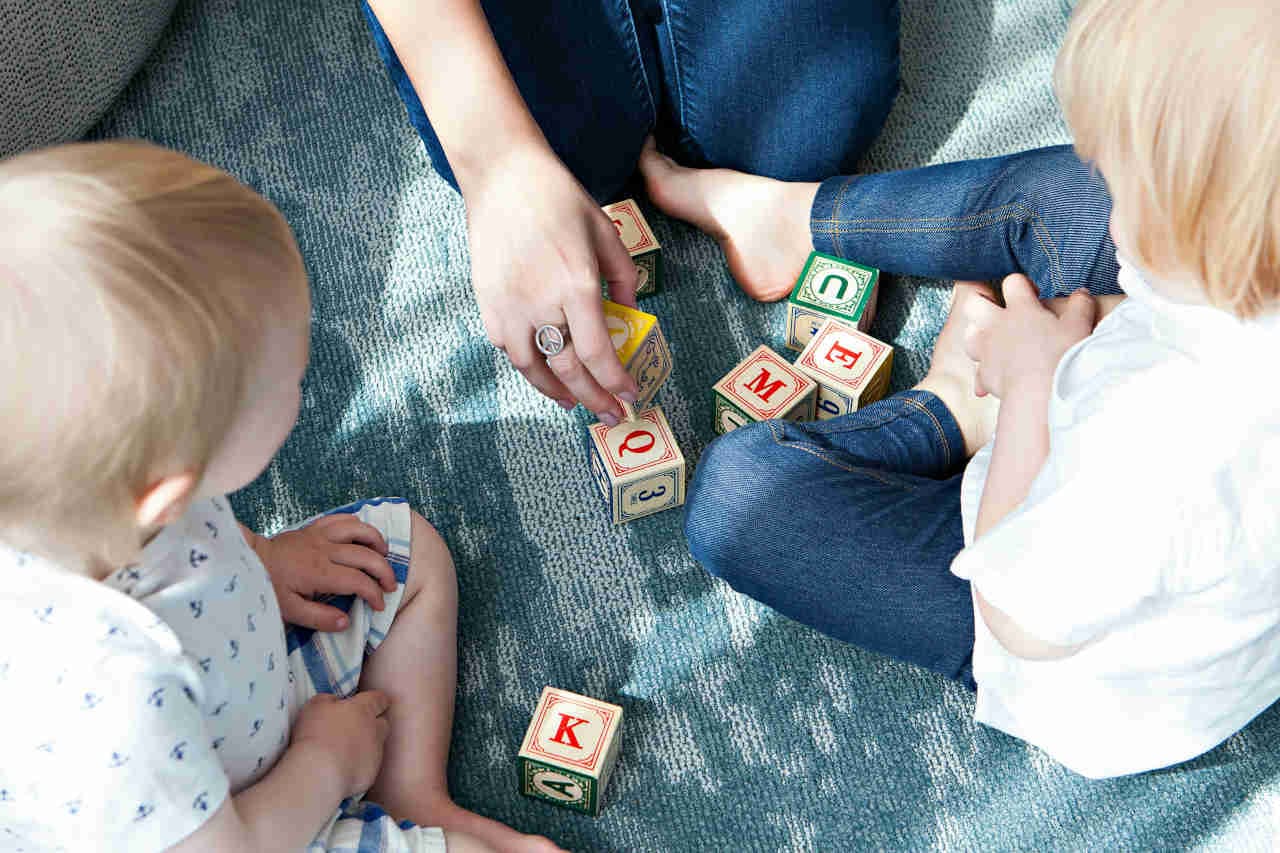
Tracing and Building: Encourage children to trace words in sand, salt trays, or shaving cream. They can also write them on paper or build the words using magnetic letters, playdough, or alphabet blocks.
Singing and Movement: Use sight word songs or create movement-based games like hopscotch or jumping on letter tiles. Associating words with fun activities enhances engagement and retention.
2. Move to Fun and Interactive Strategies:
As children progress into first and second grade, the focus can shift to engaging and interactive strategies to reinforce fluency:
Interactive Games: Incorporate word matching games, sight word bingo, flashcards, or digital learning apps that make practice enjoyable.
Word Walls: Set up a word wall in the classroom or at home to display sight words. Include mastered words as a source of pride and motivation while introducing new ones.
Contextual Reading: Set up a word wall in the classroom or at home to display sight words. Include mastered words as a source of pride and motivation while introducing new ones.
3. Track Progress to Boost Confidence and Motivation
Tracking progress not only measures improvement but also builds confidence and keeps children motivated. Here are practical ways to monitor and celebrate their success:
Sight Word Checklists: Use a checklist of grade-appropriate sight words (e.g., Dolch or Fry word lists). Check off each word as your child learns to recognize and read it fluently.
Progress Charts: Create visual charts with stickers, stars, or drawings to celebrate milestones. For instance, completing a row of words can earn a small reward or celebration.
Reading Practice Logs: Maintain a log of daily reading sessions. Note sight words your child successfully identifies, and set goals for the next session.
Engagement Milestones: Celebrate achievements—whether mastering 5 words or recognizing sight words in a story. Positive reinforcement fosters enthusiasm and resilience.
Progress tracking helps identify areas where additional support is needed, ensuring no gaps in learning. It also provides parents and teachers with tangible evidence of growth, fostering collaboration in the child’s educational journey.
What Are Decodable Words?
Decodable words are an essential component of early literacy instruction, particularly in kindergarten and first grade. These words follow predictable phonics patterns, allowing children to decode them by “sounding out.” Unlike sight words, which require memorization for instant recognition, decodable words emphasize phonics skills and the systematic blending of sounds—critical for building foundational reading abilities.
One of the most common patterns in decodable words is the consonant-vowel-consonant (CVC) format. Examples include:
Cat: Each letter corresponds to its expected sound, making it simple to decode.
Bed: The short "e" sound aligns with basic phonics rules.
Fish: Consonant blends like "sh" introduce slightly more complex patterns while still adhering to phonics principles.
These words provide a structured way for children to practice phonics and sound blending, ensuring steady progress in their reading journey.
Why Are Decodable Words Essential for Building Literacy?
Decodable words play a pivotal role in teaching phonics and helping children become confident readers. They offer multiple benefits:
Developing Strong Phonics Skills: By recognizing letters and their corresponding sounds, children gain the tools they need to decode words independently.
Understanding Language Patterns: Regular practice with decodable texts allows children to identify recurring patterns in words, making it easier to tackle unfamiliar terms and boosting confidence.
Transitioning to Fluent Reading: As children practice with decodable words, they gradually move from slow, deliberate decoding to smooth, fluent reading. This fluency enables them to enjoy stories and comprehend texts with ease.
For example, a simple sentence like “The cat sat on the mat” provides repeated exposure to CVC words, helping children internalize these patterns. As they recognize and decode familiar words, their reading becomes faster and more enjoyable, creating a positive and engaging learning experience.
What are the best methods for teaching decodable words?
Teaching decodable words starts with simple phonics principles and progresses as children gain confidence.
1. Start with Simple Sounds
Begin in kindergarten by focusing on short vowel sounds and consonant-vowel-consonant (CVC) words such as bat, dog, and pen. Use engaging and hands-on activities to introduce these sounds:
Sound Sorting: Provide pictures of objects and have children categorize them based on their initial sounds. For example, sorting pictures of a bat, ball, and bag into the “B” sound group.
Repetitive Stories: Use simple books like Pat the Cat by Edith Kunhardt Davis, which emphasize CVC words. These stories offer repetition and allow children to see and hear the same patterns, reinforcing their understanding.
2. Practice Blending
As children move into first grade, introduce consonant blends (e.g., slip, trip) and digraphs (e.g., chop, ship). Blending games and activities can make this step enjoyable and effective:
Blending Games: Encourage children to “push” sounds together to form words. For example, breaking down s-l-i-p and then blending it to say slip.
Multisensory Tools: Use resources like letter tiles, phonics apps, or even sand trays where children can physically manipulate or trace the letters as they blend sounds.
Advancing to Complex Patterns: By second grade, introduce more complex vowel patterns and multisyllabic words, such as rainbow or sandwich, building on their skills step by step.
3. Read Decodable Texts
Regular exposure to decodable texts is crucial for practicing phonics skills in a structured and meaningful way:
For Kindergarten: Begin with simple sentences such as “Sam has a red hat” or “The dog ran fast.” Books like the Bob Books series are ideal, offering clear phonics progression and plenty of CVC word practice.
For First and Second Grade: Move to texts with longer sentences and more complex phonics patterns. Books like the Fly Guy series by Tedd Arnold incorporate decodable words within engaging stories, helping children practice their skills while enjoying the reading experience.
4. Build Confidence:
Celebrate every milestone, no matter how small, to keep children motivated and excited about learning:
Positive Feedback: When your child successfully decodes a word on their own, praise their effort. For example, “Great job figuring out that tricky word!”
Progress Tools: Use Decodable Word Checklists or Reading Practice Logs to track their achievements. Watching their progress grow can be a powerful confidence booster.
By combining these strategies, children not only learn to decode words but also develop a love for reading, paving the way for literacy success.
Do Sight Words Conflict With Phonics Instruction?
No—in fact, they complement each other beautifully!
Sight words enable quick recognition of high-frequency terms, allowing children to read with greater fluency and comprehension.
Decodable words reinforce foundational phonics skills, enabling children to decode unfamiliar words systematically. Together, they form a robust literacy framework that bridges both fluency and decoding.
According to literacy experts, this balanced approach—integrating phonics for regular words and memorization for irregular words—provides children with the tools they need to become confident and fluent readers. In practice, recognizing words like "the" or "said" quickly helps children stay focused on understanding the meaning of a text, while decoding words like "cat" or "stop" reinforces sound-letter relationships essential for overall literacy development.
How to Recognize Reading Progress
Recognizing a child’s progress in reading can be both exciting and rewarding! Look for these signs of success:
1. Increased Fluency When Reading Aloud
Your child begins to read with greater speed and expression. You might notice them enjoying the story more, adding their own flair to the characters!
Their ability to read smoothly allows them to grasp the narrative better, infusing the story with emotion and drama. This newfound fluency not only enriches their experience but also helps them engage more deeply with the text.
2. Fewer Errors in Recognizing Sight Words
As they encounter familiar sight words, you’ll see them gaining confidence. Fewer mistakes mean they’re becoming more comfortable with the words they see every day!
This increased accuracy is a sign that their sight word recognition is improving, leading to a more effortless reading experience. This confidence will encourage them to explore new texts, knowing that they have a solid foundation to build upon.
3. Improved Confidence in Decoding Unfamiliar Words
Watch as your child boldly tackles new words. If they enthusiastically sound out "ship" or "lamp," it’s a sign that they’re building their decoding skills and self-assurance!
Their willingness to attempt new words demonstrates a growth mindset, where challenges are seen as opportunities. As they successfully decode unfamiliar words, they develop resilience and a sense of accomplishment that motivates them to keep learning and exploring new stories.
What If a Child Struggles With Sight or Decodable Words?
It’s normal for some children to face challenges. If your child struggles with sight words or decodable words, here are some fun and effective strategies to help them shine:
For Sight Word
Try incorporating more repetition into their practice. You can play word games or use mnemonic devices—little memory tricks, like associating the word "one" with the image of a big, bright sun because both have one center point. Songs that celebrate these words can also make memorization effective.
For Decodable Words
Ensure that your phonics instruction is clear and systematic. Mix in some phonics-based games or apps that are playful and engaging. Games like “Sound Hunt,” where they find objects around the house that start with specific sounds, can turn practice into a fun adventure!
General Tips
Remember to break learning into smaller, manageable sessions. Children thrive on positive reinforcement, so celebrate their victories, big and small! Adapt your approach based on their unique learning style—whether they love visuals, hands-on activities, or rhythmic singing, tailoring your methods will keep them motivated and eager to learn!
Conclusion
Both sight words and decodable words are indispensable tools in the journey to literacy. Sight words provide immediate access to high-frequency terms, while decodable words instill phonics skills and confidence. Together, they create a holistic reading experience, enabling young readers to navigate texts with understanding and fluency.
Trick words, as a subset of sight words, further prepare children to handle the exceptions in English spelling rules. By recognizing the unique strengths of each type of word, parents and educators can foster a more effective and enjoyable learning process for children. With patience, consistency, and the right strategies, every child can develop strong reading skills that set them up for lifelong success.
Copyright © Early Reader Hub 2026
All Rights Reserved
Copyright © Early Reader Hub 2025 All Rights Reserved